Cottage Cheese Chicken Alfredo Pasta
This post may contain affiliate links. If you purchase through my links, I may earn a small commission at no extra cost to you.
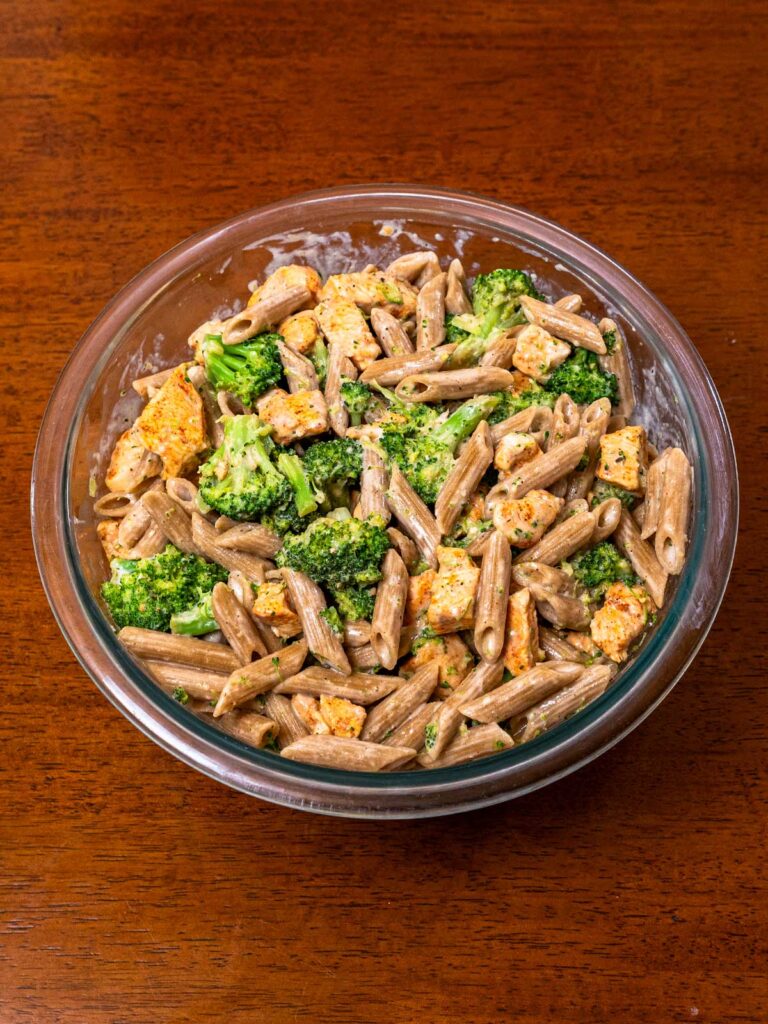
If a blender can turn a cup of cottage cheese into a smooth alfredo sauce, you should probably give it a shot once. This high protein Cottage Cheese Chicken Alfredo Pasta comes out of the blender just as creamy as the heavy cream version, and it puts out 40 grams of protein per serving.
What Makes This Actually Good
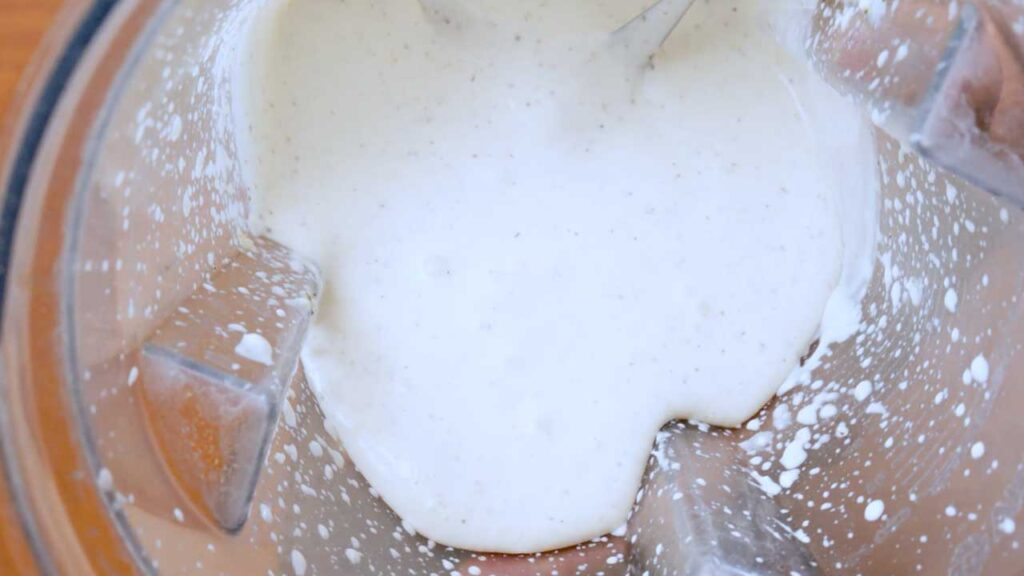
- Blending the sauce is the whole trick. A cup of low fat cottage cheese, some milk, and grated parmesan turn into a smooth, pourable high protein alfredo sauce that thickens on the stovetop without any heavy cream.
- The cornstarch stabilizes the dairy, so the sauce pulls together as it heats instead of breaking. That’s why you keep it moving while the pasta warms up in the pan.
- Reserving the starchy pasta water is what keeps the finished dish silky. The sauce tightens as it cooks down, and a splash of that water brings it back to a pourable texture.
- A full pound of chicken and a cup of cottage cheese spread across the recipe is what moves the protein to 40 grams in each serving, all while fat stays at just 8 grams.
- It lands on two pieces of cookware total, a pot for the pasta and a skillet for everything else, so cleanup after a full pasta dinner takes a few minutes.
Ingredients
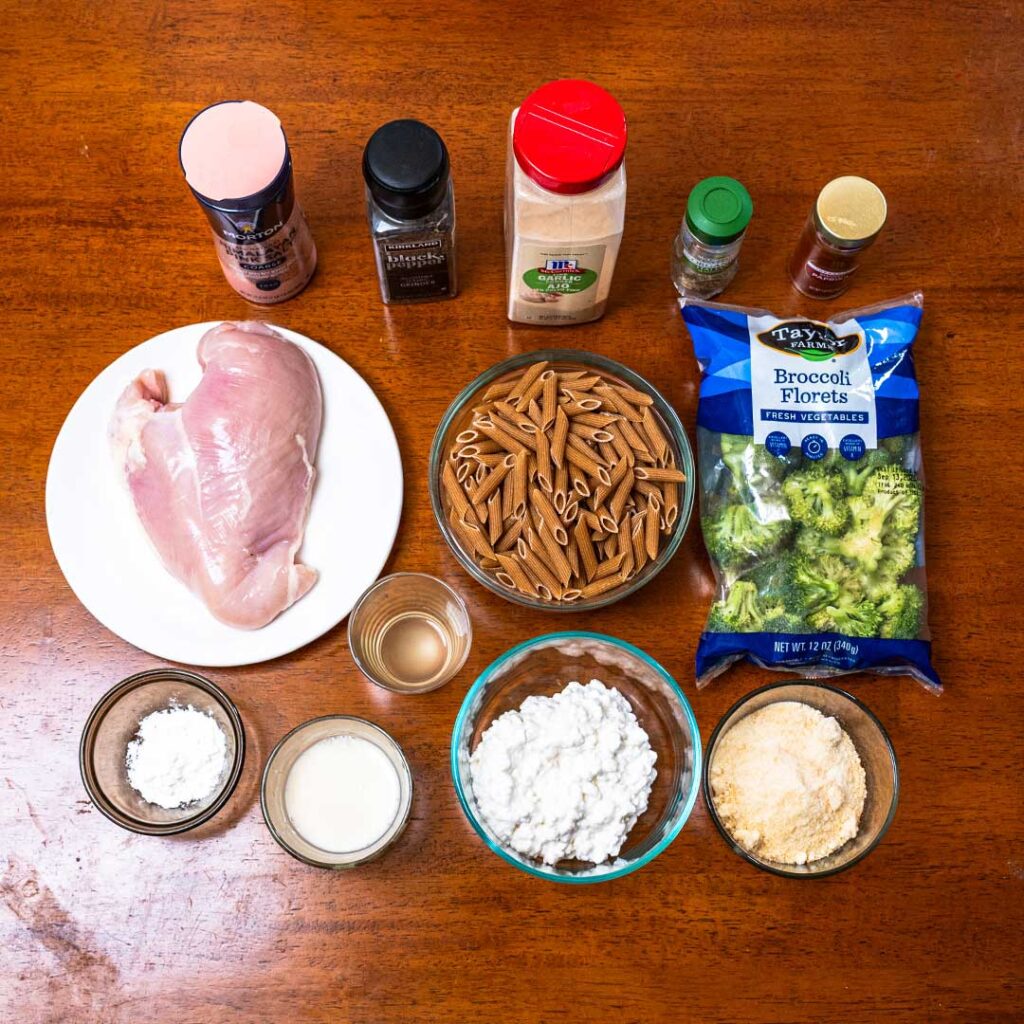
- Low Fat Cottage Cheese. This is the backbone of the sauce and the reason the protein numbers are what they’re. One cup adds about 25 grams on its own, and you want it blended completely smooth or the texture shows up in the finished dish.
- Milk. It thins the blended sauce to a pourable consistency without watering down the flavor.
- Grated Parmesan Cheese. The cheese flavor people believe is actually heavy cream.
- Cornstarch. It’s what makes the sauce thicken as it heats. Mix it in while the liquid is cold, and you’ll have a smooth finish with no lumps.
- Lemon Juice. Optional, but a teaspoon brightens the sauce and cuts the dairy richness.
- Garlic Powder. It doubles duty in this recipe, going into both the sauce and the chicken rub.
- Italian Seasoning. The herb backbone of the sauce. It holds up against the cheese better than fresh herbs would here.
- Salt. You’ll use it three times: in the sauce, in the chicken rub, and in the pasta water.
- Black Pepper. A little in both the sauce and the chicken keeps the flavor balanced end to end.
- Boneless Skinless Chicken Breast. The main protein, and a full pound adds well over 100 grams across the whole dish. Dice it into about 1 inch pieces so it sears in one even layer.
- Smoked Paprika. It gives the chicken a light depth and a deeper color with almost no heat.
- Broccoli. It cooks right next to the chicken in the skillet, so it picks up a little flavor from the pan before the sauce goes in.
- Dry Pasta. Any short shape works, but penne rigate is the one I reach for. The ridges and the hollows hold more sauce on every bite, and it stands up to simmering in the pan without going mushy.
- Fresh Parsley. Chopped on top just before serving. It keeps the plate looking fresh against a cream colored dish.
- Red Chili Flakes. Optional for the finish. A small pinch wakes the whole dish up without making it spicy.
Reasons This Will Become a Regular
- You get 40 grams of protein and only 8 grams of fat for 480 calories, which makes it an easy addition to a macro plan on the nights you want comfort food.
- The cost is one of the lower ones on the site at about $2.23 per serving, and it uses pantry staples for most of the spice rack.
- The batch makes 5 servings, so it works as a weeknight dinner and as a fill the containers run for lunches later that week.
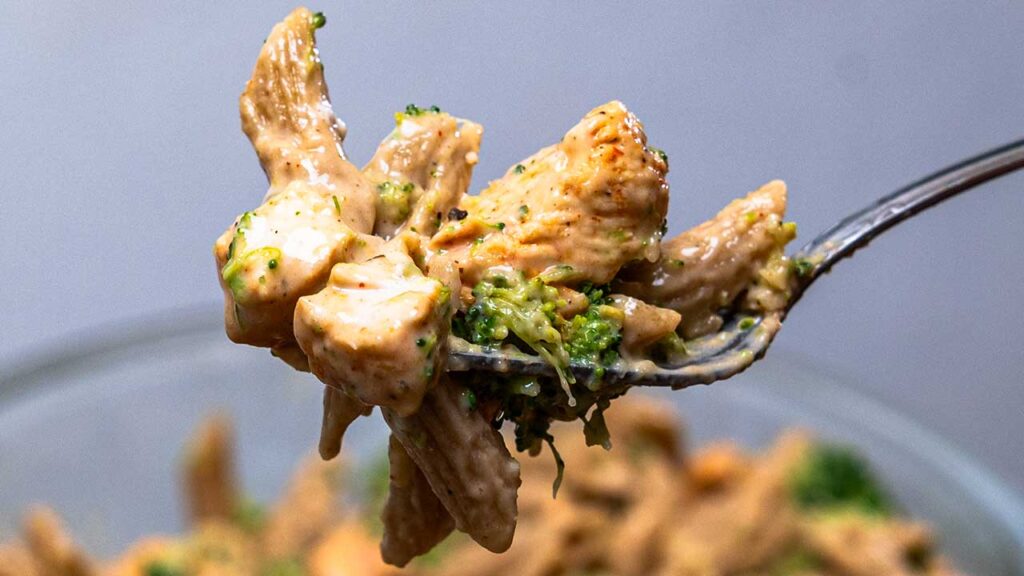
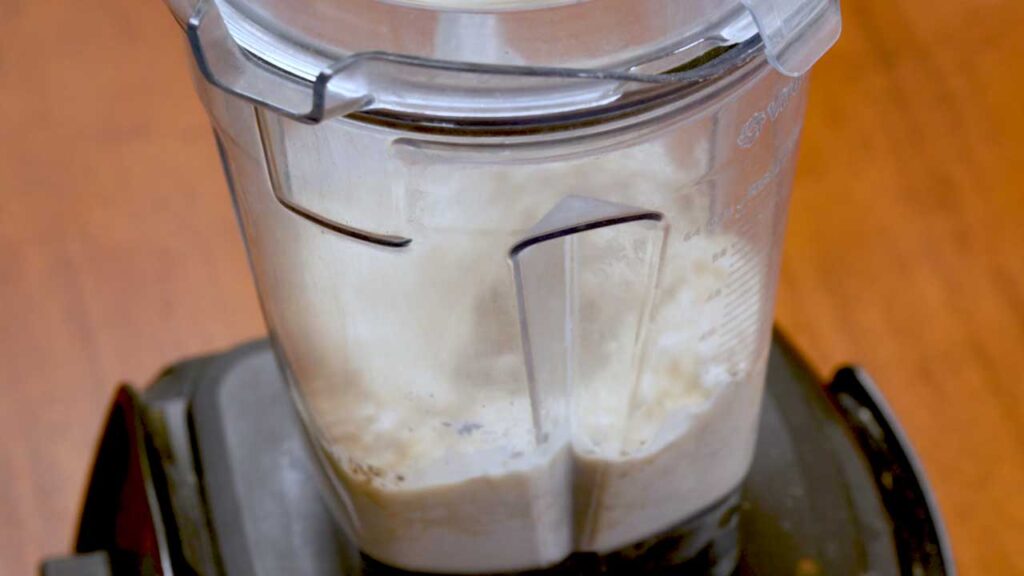
- The sauce is the easiest part, which makes this an easy alfredo sauce recipe for weeknights. You throw the ingredients in the blender, hit high, and step away while the pasta boils.
- It’s creamy alfredo without heavy cream, with cottage cheese doing the work heavy cream used to do at the Italian place. That’s the kind of swap that changes how you look at pasta.
How to Round Out the Meal
- Mixed greens with a light lemon vinaigrette. The acidity cuts through the creaminess of the sauce.
- A crusty baguette for mopping up whatever sauce is left on the plate.
- Roasted cherry tomatoes with garlic, a warm side that keeps the meal on the Italian side.
- A cup of lemon sorbet or fresh fruit for the finish, which brightens the plate without adding any sugar.
Swaps and Substitutions
- Dairy free sauce. Blend silken tofu with nutritional yeast and a little olive oil along with the same seasonings, and you get a close approximation of the texture with no dairy.
- Protein swap. Rotisserie chicken saves the most time here, and shrimp works if you want a different texture. Just keep the sear short so it doesn’t turn rubbery.
- Pasta swap. Chickpea pasta bumps the protein and fiber if you want more, and spaghetti or rotini are fine if you want a different shape in the pan.
- Veggie switch. Mushrooms and spinach replace the broccoli nicely, or stir frozen peas into the sauce at the end for a pop of sweetness.
Things Worth Knowing
-
Sauce Texture
Blend until it’s completely smooth and scrape the sides a couple of times. This is the difference between a real alfredo sauce and cottage cheese salad with parmesan mixed in.
-
Pasta Water
Reserve it before you drain, because the sauce will tighten up as the pasta soaks it in. The last quarter to half cup is what rescues the consistency.
-
Meal Prep and Storage
This one holds up in the fridge for about 4 days in a covered container, which is better than most creamy pasta dishes. Reheat it low and slow with a splash of pasta water or milk and the sauce comes back together.
-
Chicken Doneness
The chicken keeps cooking for a few more minutes once the pasta joins the pan, so take it out the moment it’s just done. You don’t want it pulled dry by the time you serve.
FAQs
-
Is cottage cheese alfredo pasta high in protein?
Yes. Each serving comes out at 40 grams, which comes from the pound of chicken and the cup of cottage cheese spread across the 5 portions of the recipe.
-
How do I keep the alfredo sauce from getting lumpy?
Blend it completely smooth before it ever hits the heat, and keep stirring while it warms in the pan. If it thickens up more than you want, loosen it with the reserved pasta water.
-
Can I make this ahead for meal prep?
It’s one of the pasta meals that actually stores well, and it keeps for about 4 days in the fridge. Give it a splash of pasta water when you reheat and the sauce loosens right back up.
-
Can I make this recipe gluten free?
A gluten free pasta works as a straight swap and the sauce itself has no gluten in it. Just check that your cornstarch is certified gluten free, and double check the Italian seasoning, because some blends use a wheat based anti caking agent.
Equipment Needed
Recipe
Cottage Cheese Chicken Alfredo Pasta
Ingredients
Directions
- Take out a blender or a food processor to prepare the alfredo sauce. Add all of the ingredients for the sauce and blend them on high until it's completely smooth and creamy, scraping down the sides as needed. Set it aside for now.
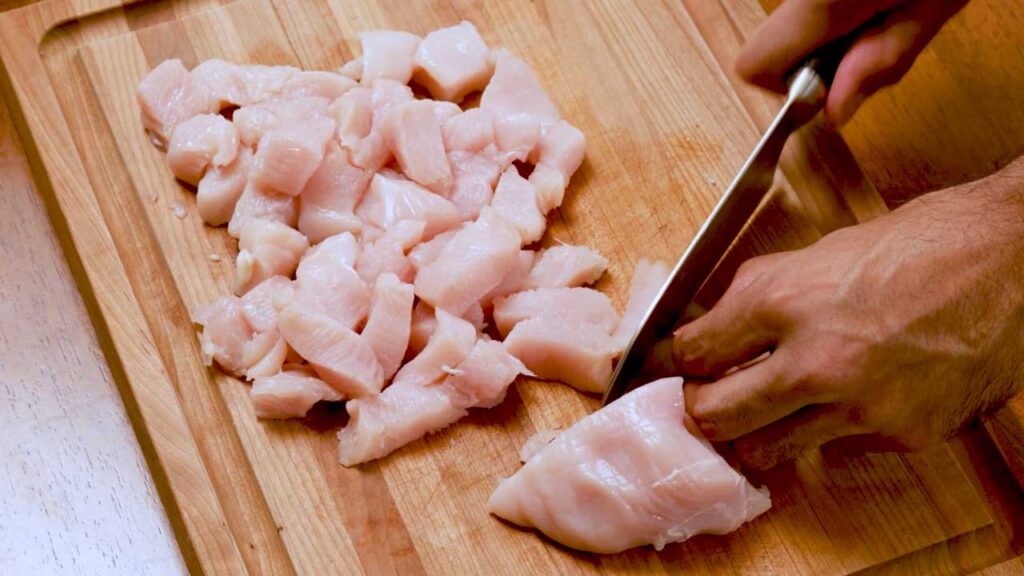
- Take out a cutting board and a knife. Pat your chicken breast(s) dry and cut them into about 1 inch pieces.
- Season your diced chicken with garlic powder, smoked paprika, salt and black pepper. Mix everything together and set it aside for now.
- Turn a burner on high heat and bring a large pot of salted water to a boil.
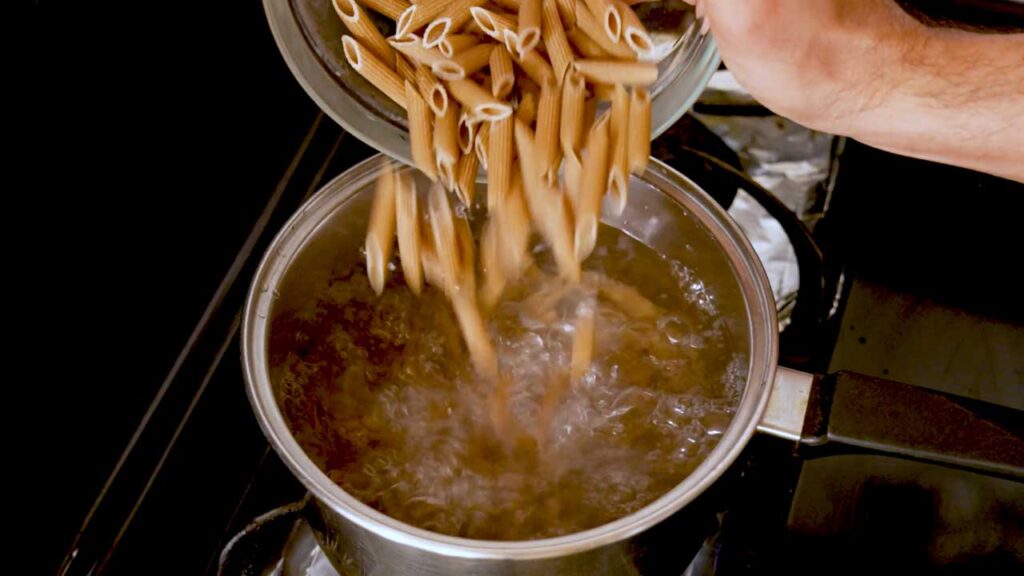
- Add your dry pasta and cook it according to the package directions until al dente. Before draining the pasta, reserve about 1 cup of the starchy pasta water. Drain the pasta and set it aside for now.
- Reduce the heat down to medium and place a large nonstick skillet on top of it. Give it a light spray of oil.
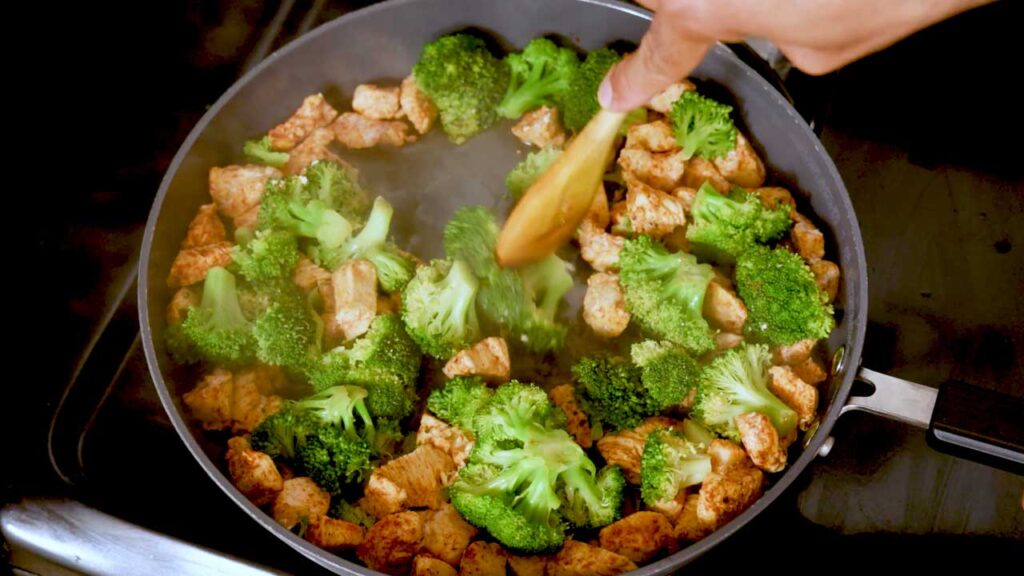
- Add your seasoned chicken in a single layer. Cook it on medium heat for 3-4 minutes to let it sear on the outside. Then add your broccoli and let it cook for 5 to 8 minutes until fully cooked.
- Turn the heat down to low, then add your cooked pasta into the large skillet. Use a larger pot if necessary.
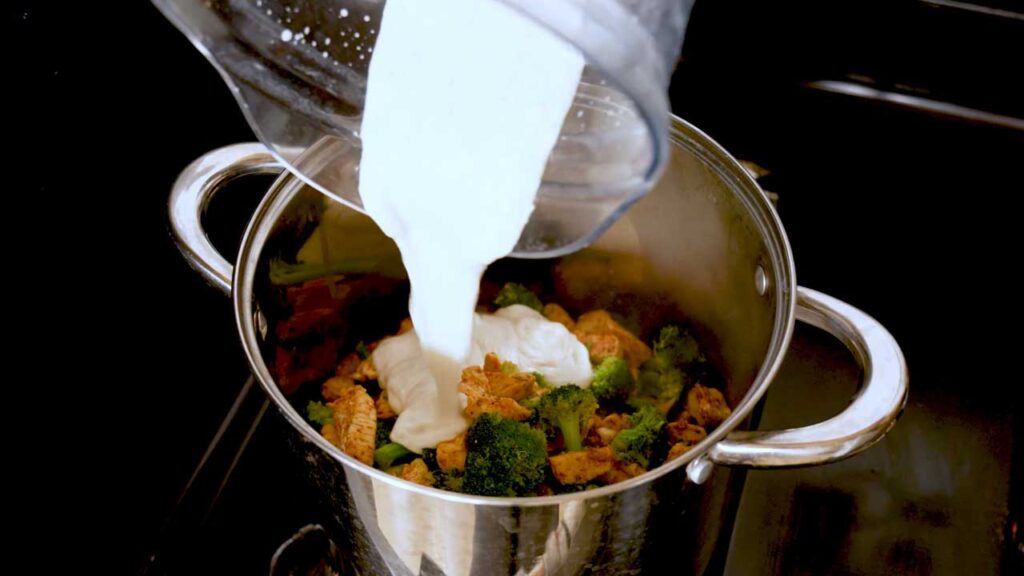
- Pour your blended sauce over everything and mix well.
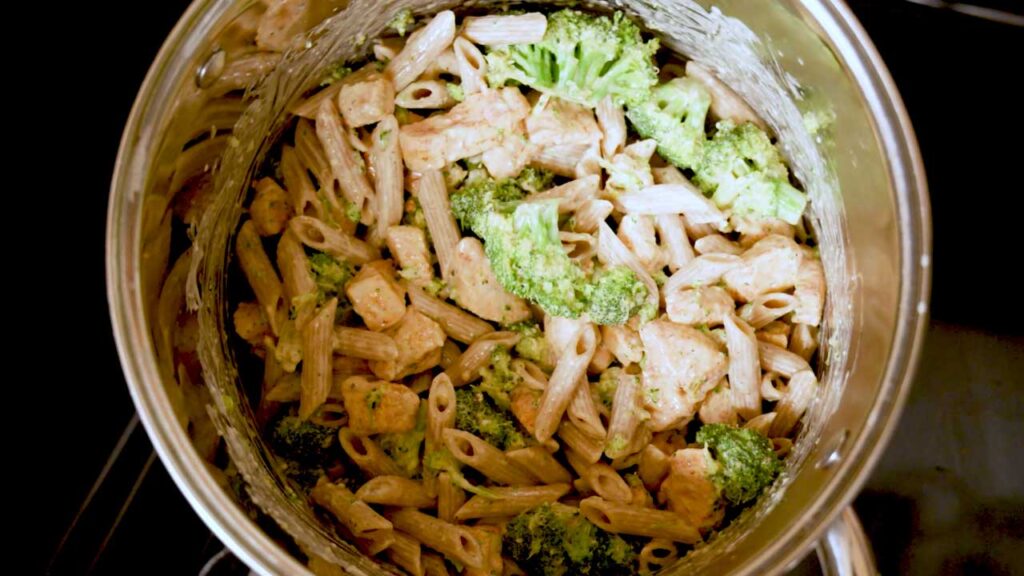
- Stir it continuously as it warms up. It will thicken as it heats. Add about 1/4 to 1/2 cup of the reserved pasta water and then turn the heat off once it’s hot and creamy.
- Taste it and add more salt, pepper, or a squeeze of lemon if needed. Garnish it with fresh parsley and red chili flakes (if using) and serve it right away.