
Magic Spoon Protein Pastries Frosted Strawberry and Cinnamon Brown Sugar Reviews
This post may contain affiliate links. If you purchase through my links, I may earn a small commission at no extra cost to you.
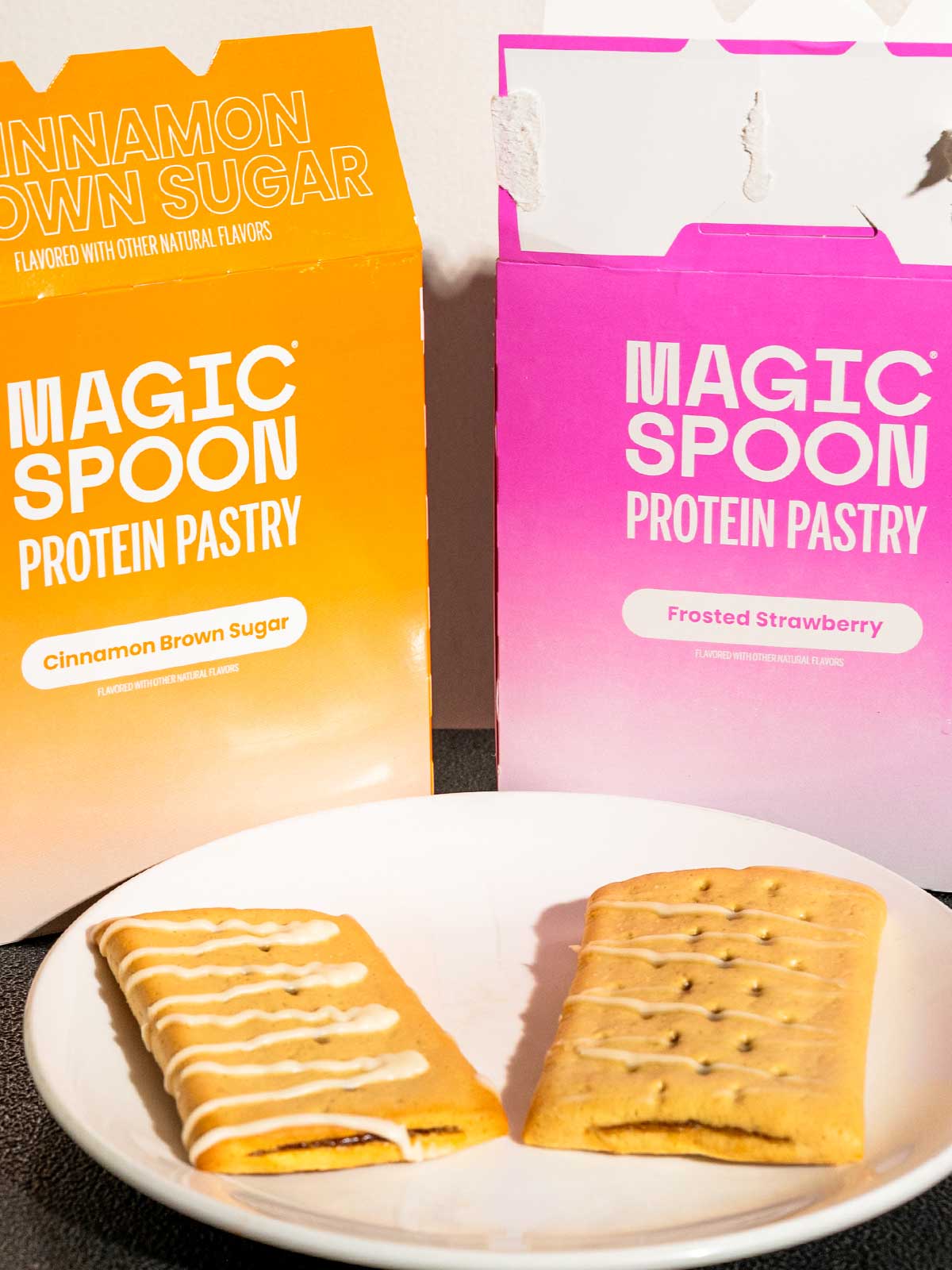
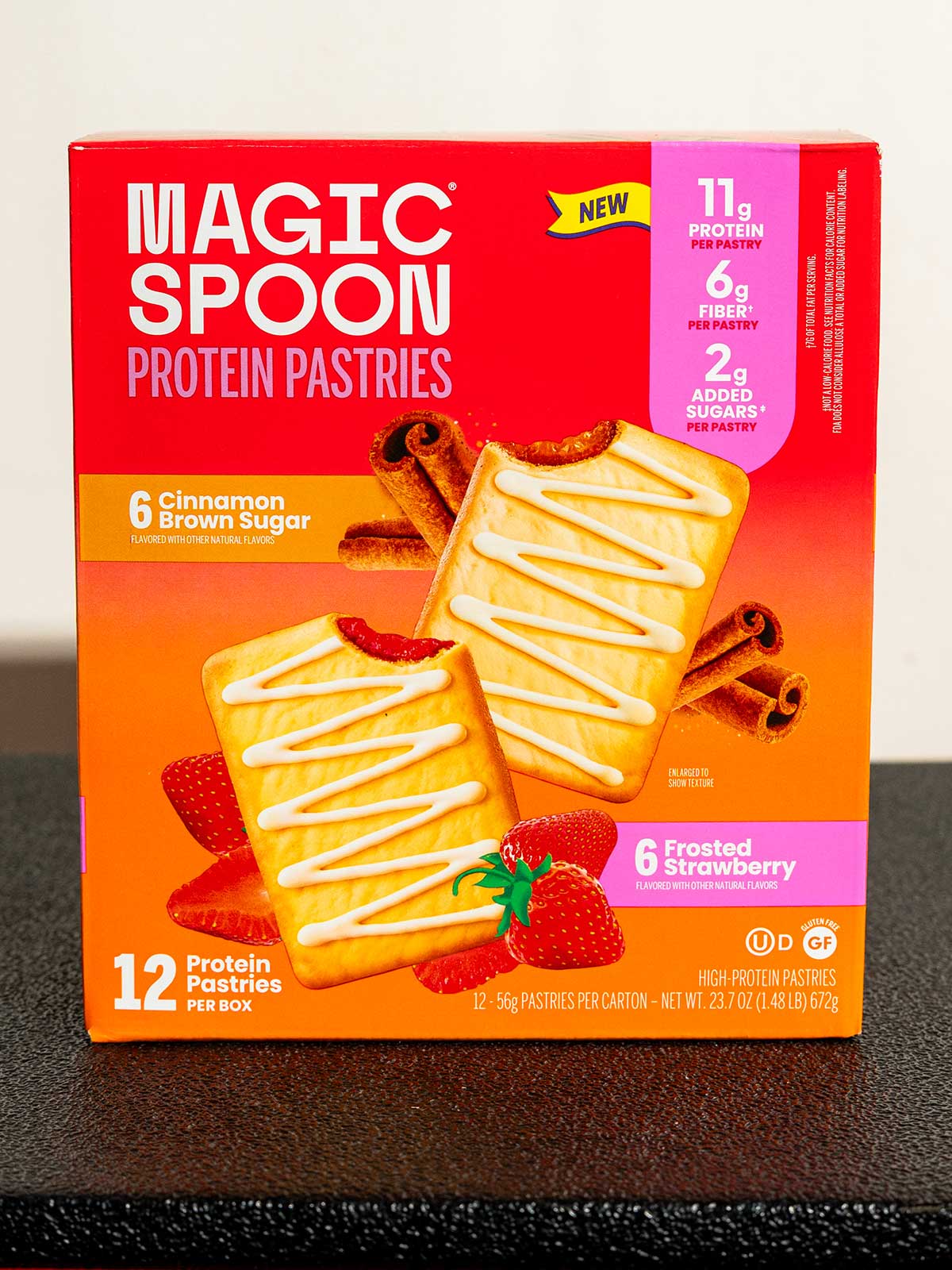
I didn’t know Magic Spoon came out with their own version of protein pop-tarts. When I spotted these at Costco, I had to give them a shot. As someone who is a budget-conscious shopper, the price seemed about right. You get 12 pastries for $17.99 which comes out to about $1.50 each with 11 grams of protein per pastry.
The box that you get at Costco contains six Cinnamon Brown Sugar and six Frosted Strawberry pastries, and I tested both flavors every way I could think of. Straight from the package, microwaved for 15 seconds, microwaved for 30 seconds. This Magic Spoon Protein Pastries review covers everything I found so you can decide whether they’re worth your money.
Magic Spoon built a massive following with their protein cereal which I’ve tried several different flavors of. The question is whether the brand can translate that cereal success into a pastry that actually tastes good.
What This Review Covers
- A detailed taste and texture breakdown of the Cinnamon Brown Sugar flavor
- A detailed taste and texture breakdown of the Frosted Strawberry flavor
- The best way to heat them for the most enjoyable eating experience
- Whether the nutrition profile lives up to the hype
- How they stack up against Legendary Foods protein pastries
- Whether you should buy them at Costco or skip altogether
First Impressions
The packaging is bright and colorful with photos of the pastries that look nothing like what’s inside. The box shows generous swirls of filling oozing out, and when you open the actual pastries, that level of filling just isn’t there. It’s a pretty big gap between expectation and reality.
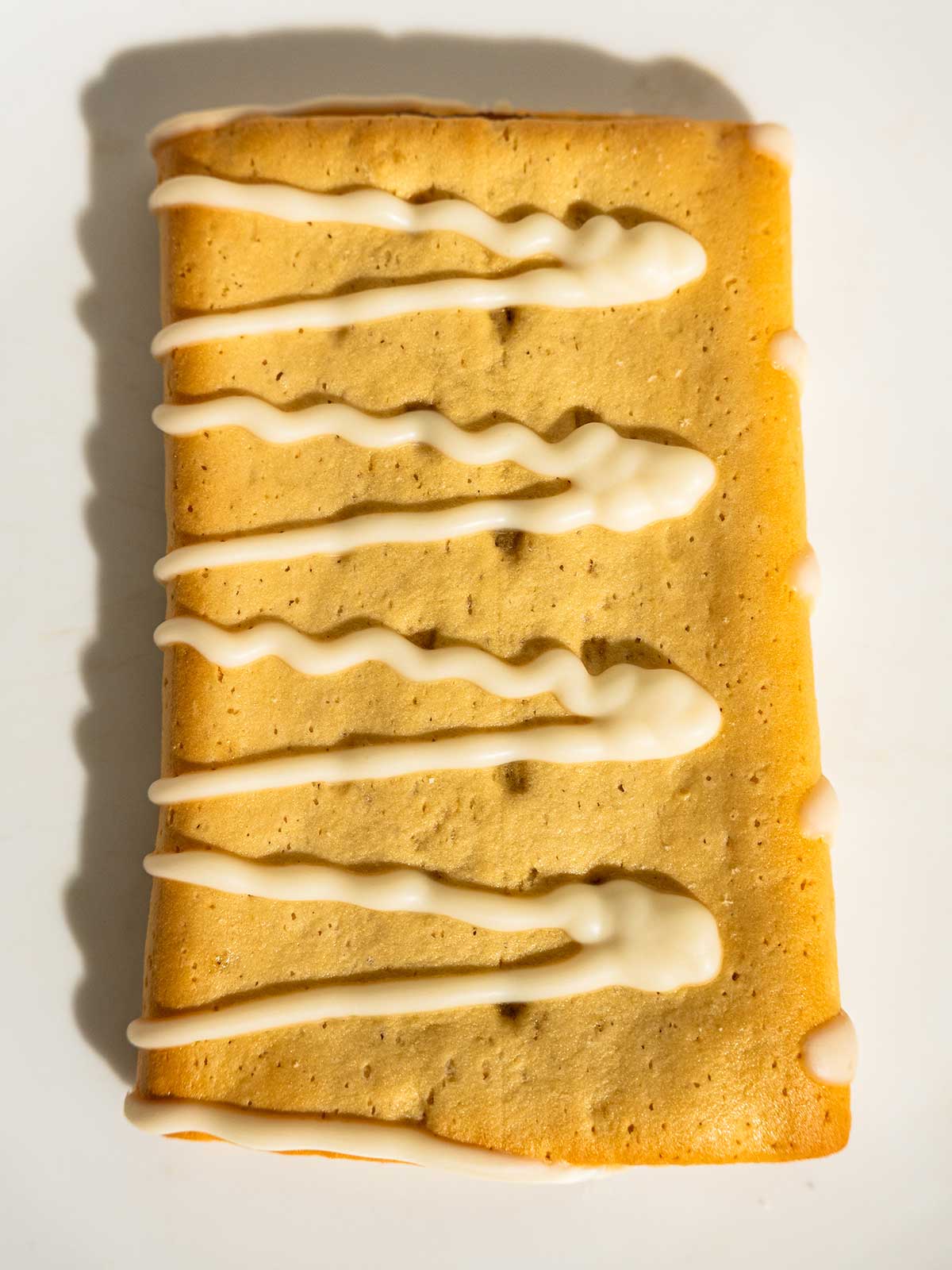
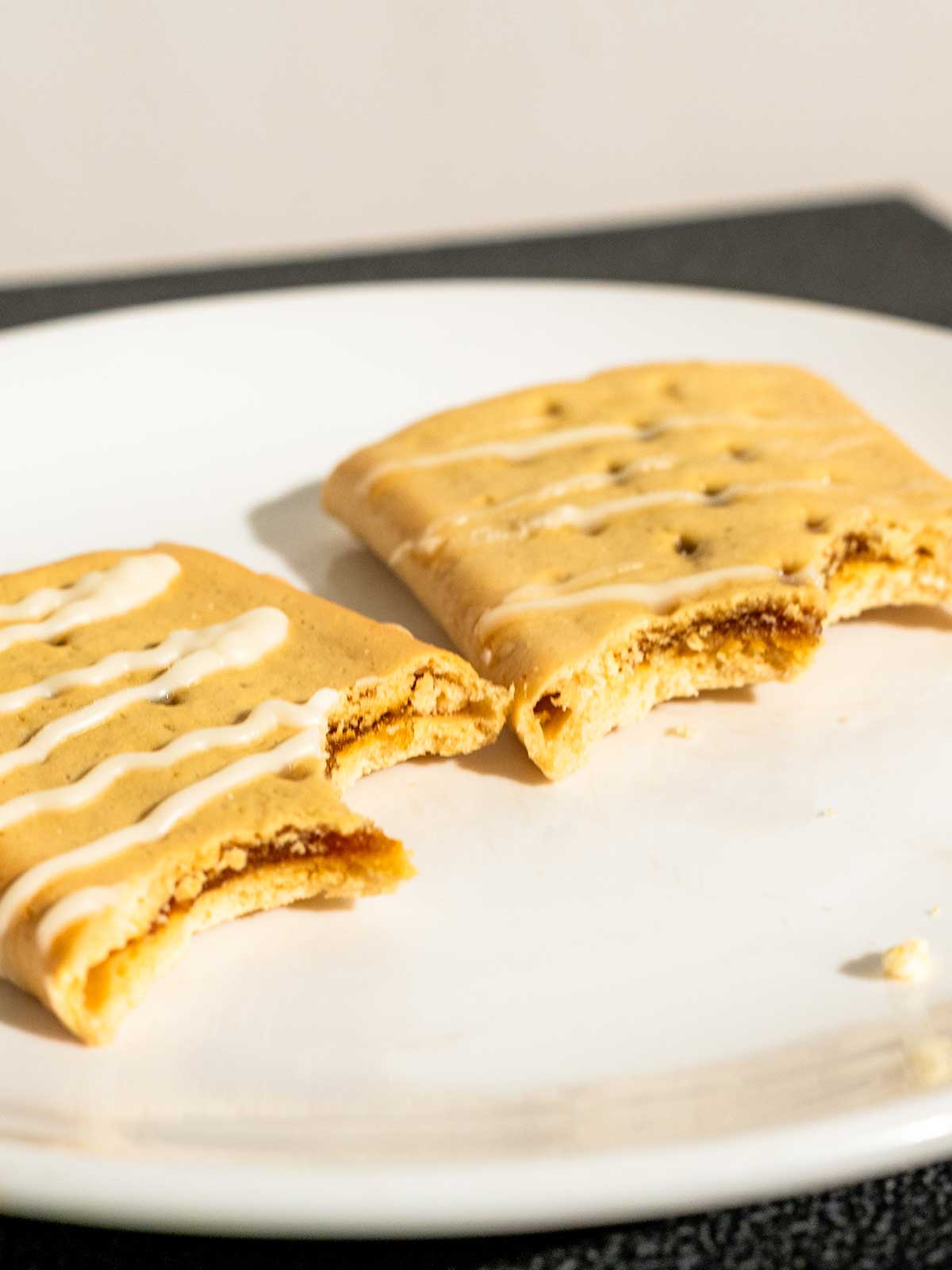
The pastries themselves are smaller than I expected. They’re closer to three-quarters the size of a Pop-Tart but noticeably thicker, more like a Pillsbury Toaster Strudel in profile. The outer dough looks pale and the frosting layer on top is thin. You can tell before even biting into them that the filling-to-pastry ratio is going to be an issue.
The Cinnamon Brown Sugar has barely any icing on top compared to the Frosted Strawberry, which at least has a slightly more visible frosting layer. Neither one looks particularly appetizing sitting on the counter, but I’ll give them the benefit of the doubt until I actually taste them.

Nutrition and Ingredient Breakdown
Let’s get to the magic spoon protein pastry nutrition facts, because they are where these pastries make their case. Each pastry has 170 calories, 11 grams of protein, 6 grams of fiber, 3 grams of sugar, and 26 grams of total carbs. That protein amount is in the same ballpark as what you’ll find in recipes like Cottage Cheese Overnight Oats, which is saying something for a shelf-stable pastry. That works out to roughly 10 net carbs when you subtract the fiber and sugar alcohols. For a toaster pastry, the protein content is genuinely solid.
The protein comes from a blend of casein, calcium caseinate, whey protein isolate, whey protein concentrate, and hydrolyzed bovine collagen. That’s a mix of slow-digesting casein and faster-absorbing whey, which is a decent combination. The sweetener blend uses allulose, erythritol, sugar, and either monk fruit or stevia extract depending on the flavor.
The ingredient list also explains the texture issues. Soluble tapioca fiber, modified tapioca starch, palm kernel and palm oil, and polydextrose are all functional ingredients that help bind the protein-heavy dough together. But they contribute to that chalky, dry mouthfeel you get with every bite. The glycerin is supposed to keep things moist, but it’s not enough to overcome how much protein powder is packed into the crust.
Cinnamon Brown Sugar Taste and Texture
I tried this flavor three different ways: straight out of the package, microwaved for 15 seconds, and microwaved for 30 seconds.
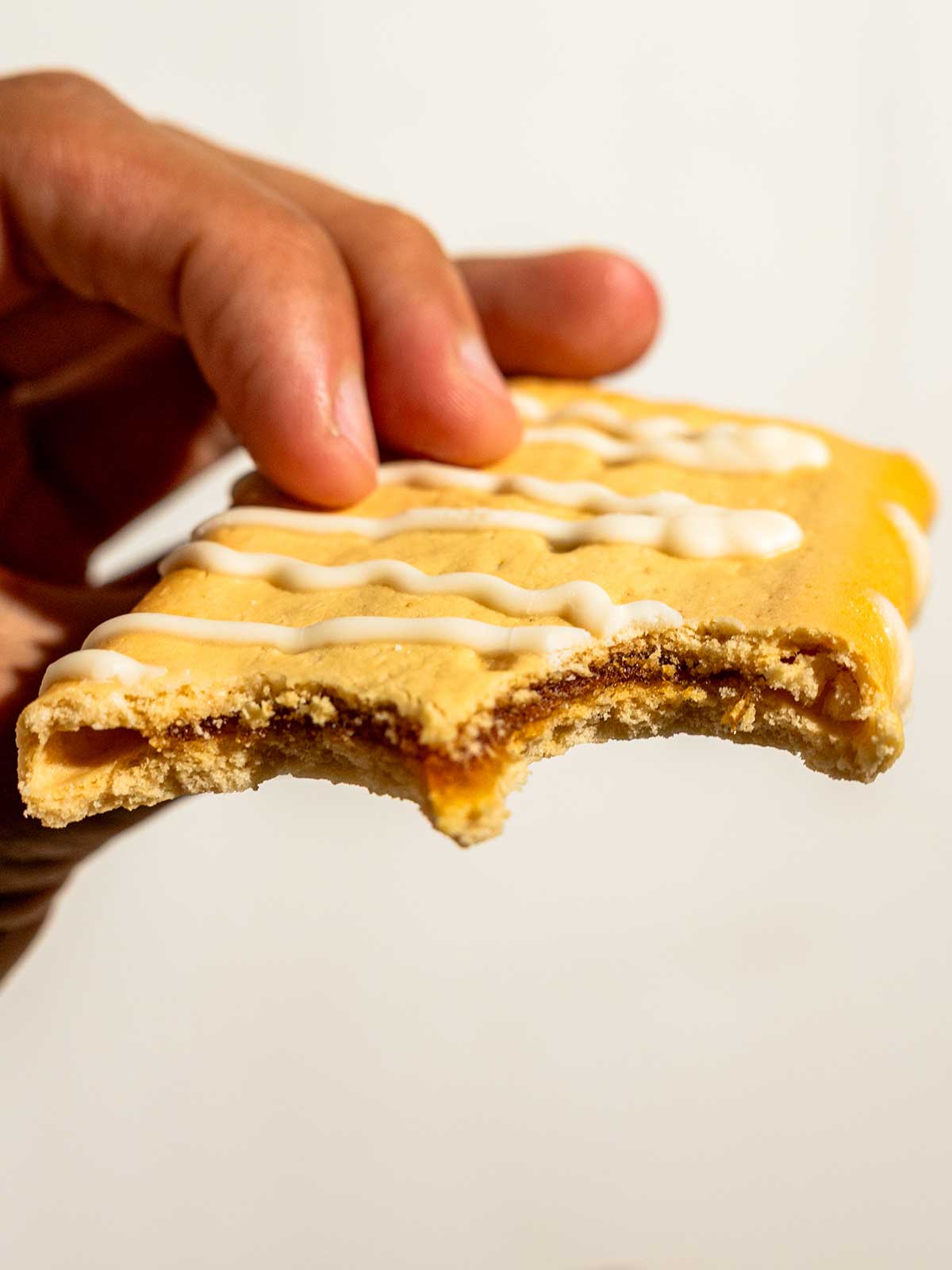
Cold out of the package, it’s almost completely bland. The outer dough is dry and crumbly with a slightly chalky texture that dries out your mouth. The filling is so thin that every bite is dominated by the pastry shell. You’re mostly eating dough. The icing on top is barely noticeable, adding almost nothing to the overall flavor. The filling is so thin that you end up getting more from the crust than the actual cinnamon and brown sugar center. It reminds me of why I prefer desserts with thick, creamy fillings like in Cottage Cheese Banana Pudding.
Where there is actual filling in the center, you can taste the cinnamon and brown sugar coming through. The combination itself is good, and the spices feel well-balanced. But getting to those bites means working through too many crust-heavy mouthfuls first.
Microwaving for 15 seconds genuinely improves it. The filling warms up and gets a nice gooey consistency, the icing softens slightly, and the cinnamon and brown sugar flavors become much more present. It’s the best eating experience by a clear margin. Push it to 30 seconds though and the dough gets even drier, almost overcooked. The microwave helps with flavor but doesn’t fix the fundamental problem of dry, overly doughy pastry.


Frosted Strawberry Taste and Texture
The Frosted Strawberry shares the same core texture issues as the cinnamon version, but the flavor experience is noticeably different.
Cold, the dough has that same dry, crumbly, chalky mouthfeel. The filling-to-pastry ratio is just as poor. If anything, the strawberry version feels even more like a Fig Newton than a Pop-Tart, and not in a good way.
The strangest thing about this flavor is that it tastes more like apple than strawberry at times. The fruit flavor comes across muted and slightly off-mark. There’s more icing on top than the cinnamon version, which is a small win, but it doesn’t do much to save the overall taste. You can tell it’s supposed to be strawberry, but the connection between the frosting and the filling feels disconnected.
Warming it up for 15 seconds in the microwave helps. The filling softens and the strawberry flavor becomes more recognizable, though it still has that apple-like quality. The extra icing on top melts just enough to blend with the filling underneath, making the overall bite feel more cohesive. It’s better warm than cold, but not by a huge margin.
Other reviewers had the exact same complaints about both pastries. The filling-to-dough ratio is the most common criticism across Reddit, independent review sites, and social media. Some people even prefer the strawberry over the cinnamon flavor, which goes against my personal take. I leaned toward Cinnamon Brown Sugar since it had more recognizable flavor overall, but the difference between them is marginal.
How It Compares
The most direct competitor is Legendary Foods Protein Pastries, and on paper, Magic Spoon doesn’t stand a chance. Legendary packs 20 grams of protein per pastry compared to Magic Spoon’s 11 grams. That’s nearly double the protein for essentially the same calorie count at 180 calories versus 170.
The net carb difference is noticeable too. Legendary comes in at 4 to 6 grams of net carbs versus Magic Spoon’s roughly 10 grams. Legendary also has 9 grams of fiber compared to Magic Spoon’s 6 grams and less than 1 gram of sugar versus 3 grams. If you’re eating these specifically for the macros, Legendary is the clear winner.
The question is whether Legendary tastes better, since taste is where nutrition-focused snacks usually fall apart regardless of the numbers. From what I’ve seen in reviews, Legendary gets praise for flavor, but they’re also more expensive per pastry. The Costco price of about $1.50 per Magic Spoon pastry is one of the better deals in the protein snack space compared to traditional protein bars.
What Worked and What Didn’t
- 11 grams of protein and 6 grams of fiber per pastry is a solid nutrition profile
- Microwaving for 15 seconds noticeably improves flavor and texture
- Costco pricing at about $1.50 per pastry is competitive for protein snacks
- Gluten-free and grain-free for dietary restrictions
- Dry, crumbly, chalky dough that dominates every bite
- Poor filling-to-pastry ratio leaves you mostly eating crust
- Almost no flavor when eaten cold straight from the package
- Packaging photos are misleading about how much filling is inside
- Legendary Foods offers nearly double the protein for similar calories
Is It Worth Buying?
Magic Spoon Protein Pastries have decent macros but fall short on taste, texture, and value enough that I wouldn’t buy them again.
The 11 grams of protein and 6 grams of fiber per pastry are pretty good, and microwaving them for 15 seconds does make them more palatable. But the dry, chalky dough overwhelms every bite, the filling is disappointingly thin, and eating them cold is nearly flavorless. When a direct competitor like Legendary Foods offers nearly double the protein with fewer net carbs, Magic Spoon Protein Pastries feel like a half-measure. The Costco price helps, but saving money doesn’t matter if you won’t finish the box.
The Short Version
- Magic Spoon Protein Pastries have 11g protein and 6g fiber but taste dry, chalky, and mostly like dough
- Microwaving for 15 seconds is the only way to make them genuinely enjoyable
- Cinnamon Brown Sugar has a slight edge in flavor, though some reviewers prefer Frosted Strawberry
- Legendary Foods Protein Pastries offer 20g protein with fewer net carbs for a similar calorie count
- At Costco’s $1.50 per pastry, the price is competitive, but the taste doesn’t justify repurchasing
Things Worth Knowing
-
Heat for 15 Seconds, Not 30. Try Not To Eat Straight Out Of The Package
Microwaving these pastries for 15 seconds is the sweet spot. The filling warms up and gets gooey, the icing softens, and the flavors actually come through. Push to 30 seconds and the dough gets even drier. If you skip the microwave entirely, you’re eating something that barely has any taste.
-
Skip the Pop-Up Toaster
Magic Spoon lists pop-up toaster as a preparation method, but the icing will melt off and pool at the bottom of your toaster. Use a microwave or toaster oven instead. If you want something that actually tastes good without the hassle, high-protein baked goods like Protein Blueberry Bread are a much better option.
-
Consider Legendary Foods If Macros Matter Most
If your main goal is hitting protein targets with a pastry-style snack, Legendary Foods gives you 20g of protein versus Magic Spoon’s 11g with fewer net carbs. You’ll pay more per pastry, but the nutrition per dollar is better.
-
The Costco Deal Is Good, But That’s the Only Win
At $17.99 for 12 pastries, Costco gives you about a 40% savings compared to Target’s four-packs. The per-pastry price is genuinely competitive. But a good deal only matters if you’ll actually eat them.
FAQs
-
Are Magic Spoon Protein Pastries worth it?
Not at full retail price. The nutrition profile is solid with 11g of protein and 6g of fiber, but the taste and texture are disappointing. The dough is dry and crumbly, the filling is thin, and they’re almost flavorless unless you microwave them. If you can grab them at Costco for about $1.50 per pastry, the price is reasonable enough to try, but don’t expect them to replace regular Pop-Tarts.
-
How do you heat Magic Spoon Protein Pastries?
Microwave for 15 seconds. That’s the best method by a clear margin. The filling gets warm and gooey, the icing softens, and you can actually taste the flavors. Do not use a pop-up toaster because the icing melts and drips. Toaster oven works as well, but 15 seconds in the microwave is the quickest path to the best result.
-
Magic Spoon vs Legendary protein pastries, which is better?
Legendary wins on nutrition. You get 20g of protein versus Magic Spoon’s 11g, with fewer net carbs (4-6g vs roughly 10g) and more fiber (9g vs 6g) for essentially the same calorie count. Magic Spoon’s only advantage is price when bought at Costco, but the taste gap doesn’t make up for the difference.
-
Do Magic Spoon Protein Pastries taste like Pop-Tarts?
Not really. They’re closer to a Fig Newton in texture, with a denser, drier, and more crumbly outer shell. The filling layer is also much thinner than a Pop-Tart, so most of each bite is just dough. They hit the same nostalgic note but don’t deliver the same experience.
-
Are Magic Spoon Protein Pastries gluten-free?
Yes. Magic Spoon Protein Pastries are gluten-free and grain-free. The dough is made from a protein blend, tapioca starch, and fiber instead of wheat flour, making them suitable for gluten-sensitive diets.
-
Is Magic Spoon cereal healthy?
The cereal is where the brand built its name, and the same rules apply as the pastries: it is a higher-protein take on a regular product with a premium price tag. As an occasional bowl, it is fine. As a default breakfast, it is pricier than plain oats, Greek yogurt, or cottage cheese, which put out comparable macros for a fraction of the cost. That is the honest way I look at the whole brand, pastries included.
Try These Next
- Chocolate Chip Protein Cookies
A high-protein cookie that actually tastes like a real cookie, with a much better texture than any protein pastry I’ve tried. - Protein Granola
A quick and easy protein-packed snack that’s versatile, filling, and way more satisfying than a dry protein pastry. - Low Carb Protein Chocolate Cake Bites
If you want a sweet high-protein treat with real flavor and actual moisture, these cake bites are the answer.
Should You Buy This?
Magic Spoon Protein Pastries are fine for a one-time taste test, but they won’t replace your go-to protein snack. If you want high-protein treats that actually taste good, the recipes on this site are a better use of your time and money.
Discover High-Protein Snacks That Actually Taste Good
Sources:
- Magic Spoon Official Website
- Stack3D – Magic Spoon Protein Pastries Now Available at Costco
- The Impulsive Buy – Magic Spoon Cinnamon Brown Sugar Protein Pastries Review
- Reddit r/proteinsnack – Magic Spoon Strawberry Pastries Discussion
- Reddit r/LowCalFoodFinds – Magic Spoon Protein Pastries Discussion
- Legendary Foods Protein Pastries – Official Product Page