
Can Protein Help Boost Your Immune System?
This post may contain affiliate links. If you purchase through my links, I may earn a small commission at no extra cost to you.
Most people think of vitamins when they want to support their immune system. Vitamin C, zinc, maybe some elderberry. There’s nothing wrong with that and I in fact take several different supplements for that.
Protein rarely makes the list even though your immune system is literally made out of it. I never would have thought of that. Every antibody, every cytokine, every immune cell that fights off an infection relies on amino acids from the food you eat.
The protein immune system connection has been studied for decades. Studies consistently show that not getting enough protein impairs how your body responds to infections, produces antibodies, and activates the immune cells that keep you healthy. Getting enough protein isn’t a silver bullet for immunity, but falling short definitely makes your immune system work harder than it needs to.
This article breaks down exactly how protein supports your immune system, what happens when you don’t get enough, and practical ways to make sure your diet is covering the basics.

What This Covers
- How protein and amino acids directly support immune cell function and antibody production
- What happens to your immune system when you don’t get enough protein
- The daily protein amount needed to maintain healthy immune function
- Specific amino acids that play the biggest role in immune defense
- Practical high-protein food choices that support overall immunity
How Protein Builds Your Immune Defense
Your immune system isn’t a single organ you can point to. It’s a network of cells, proteins, and signaling molecules working together to identify threats and neutralize them. The common thread running through every component is protein. When your body needs to mount a defense against an infection, it reaches for amino acids, the building blocks you get from dietary protein, to construct that response.
A review published in the British Journal of Nutrition found that amino acids regulate three critical areas of immune function. First, they control the activation of T lymphocytes, B lymphocytes, natural killer cells, and macrophages, essentially the soldiers your body deploys when it detects an invader. Second, amino acids manage cellular gene expression and lymphocyte proliferation, which determines how quickly your immune system can scale up its response. Third, they directly enable the production of antibodies and cytokines, the signaling proteins that coordinate the entire immune attack.
Think of protein as the raw material your immune system can’t manufacture from scratch. Your body can recycle some amino acids from old cells, but it needs a steady dietary supply to keep the pipeline full. When you’re fighting off a cold or recovering from an illness, that demand increases even further because your immune system is creating new cells and effector molecules at a much faster rate than normal.
Harvard Health Publishing notes that protein is essential to many of the body’s functions, from building bone strength and muscles to supporting a healthy immune system. The immune support piece doesn’t get the same attention as muscle building, but it’s equally fundamental.

What Happens When You Don’t Get Enough Protein
The clearest evidence for protein’s role in immunity comes from studying what happens when people don’t get enough. Severe malnutrition remains the most common cause of immunodeficiency worldwide according to research from Harvard and multiple peer-reviewed studies. When the body lacks adequate protein, it can’t maintain normal immune function across multiple systems at once.
The National Institutes of Health documents that protein deficiency impairs growth, immune response, tissue repair, and the production of enzymes and hormones. Those aren’t vague categories either. Specifically, protein-calorie malnutrition causes reduced numbers of circulating T-lymphocytes, particularly CD4+ helper T-cells that coordinate the immune response. It decreases lymphocyte stimulation in response to antigens, lowers secretory IgA antibody levels on mucosal surfaces, reduces antibody affinity, and causes phagocyte dysfunction.
Most of us aren’t dealing with severe malnutrition in the United States. But moderate protein insufficiency still matters, especially for specific groups. Older adults naturally lose muscle mass and immune responsiveness as they age, making adequate protein intake even more critical. Athletes and highly active people burn through amino acids faster than sedentary individuals. Anyone on a very low-calorie diet risks falling short on protein even if they think they’re eating enough.
Protein-calorie malnutrition is the most common cause of immunodeficiency worldwide, affecting antibody production, T-cell function, and mucosal immune defense simultaneously.
The American Journal of Clinical Nutrition published research showing that even chronic, moderately severe protein deprivation affects the two major branches of the immune response differently. It can enhance cell-mediated immunity while depressing humoral immunity. That means your body’s immune defenses don’t just uniformly get weaker. They get imbalanced, which creates gaps in your defense that infections can exploit.
Key Amino Acids for Immune Function
Not all amino acids play the same role in immunity. Certain ones show up repeatedly in research as particularly important for immune cell function and infection defense. Understanding which amino acids matter most helps you make smarter food choices beyond just hitting a daily protein number.
Arginine stands out as one of the most well-studied immune-supporting amino acids. According to research published in Frontiers in Immunology, arginine is essential for the function of immune cells including T cells and macrophages. A deficiency in arginine may cause impaired immunity even if your overall protein intake seems adequate. You’ll find arginine in chicken, turkey, pork, nuts, seeds, and legumes.
Branched-chain amino acids (leucine, isoleucine, and valine) serve a different but equally important function. During infection, the immune system experiences a marked increase in demand for substrates that provide energy and serve as precursors for new cells, antibodies, cytokines, and acute phase proteins. Branched-chain amino acids help meet that increased metabolic demand. They’re abundant in dairy products, meat, fish, eggs, and soy.
Glutamine is another amino acid that shows up consistently in immune research. It’s the primary fuel source for rapidly dividing immune cells like enterocytes and lymphocytes. Your body can produce glutamine on its own, but during periods of illness or intense physical stress, endogenous production may not keep up with demand. Good dietary sources include Greek yogurt, cottage cheese, fish, chicken, and spinach.
Whey protein deserves a specific mention because research shows it offers support against infectious and inflammatory diseases by strengthening immune function and helping regulate oxidative stress. Whey is particularly rich in cysteine, which the body converts to glutathione, one of your most powerful natural antioxidants. If you use protein powder in smoothies, whey protein is a solid choice for immune support.

How Much Protein Do You Need for Immune Health
The Recommended Dietary Allowance for protein is 0.8 grams per kilogram of body weight, which works out to roughly 46 grams per day for the average woman and 56 grams for the average man. That number sounds specific, but it represents the minimum amount needed to prevent deficiency, not necessarily the ideal amount for optimal immune function.
If you’re trying to support your immune system alongside general health goals, aiming higher than the RDA makes sense. Most nutrition researchers recommend somewhere between 1.2 and 1.6 grams per kilogram for active adults. That range supports muscle maintenance, healthy aging, and adequate amino acid availability for immune cell production all at the same time.
For a 150-pound person, the RDA translates to about 54 grams of protein daily. Pushing toward that higher range means targeting roughly 82 to 109 grams per day. That’s still entirely achievable with whole foods and doesn’t require protein supplements. It just means being intentional about including a protein source at each meal rather than letting protein slide into the background.
The Mount Sinai Hospital recommends filling roughly one quarter of your plate with protein at each meal. That’s a practical visual guide that most people can follow without counting grams. Pair that protein with colorful vegetables and whole grains, and you’re covering both the macronutrient and micronutrient side of immune support.

Practical High-Protein Foods for Immune Support
Knowing the science behind protein and immunity is useful, but the real question is the action you take and what to put on your plate. The best approach is choosing protein sources that deliver not just total protein but also the specific amino acids and micronutrients that immune cells rely on. The picks below are the immune system booster foods with the clearest evidence behind them.
Lean chicken and turkey are arginine-rich, making them one of the most direct connections between a food on your plate and immune cell function. Chicken breast is one of my all-time favorites and for good reason. They’re versatile, budget-friendly, and easy to batch cook for the week. A simple roasted chicken breast provides roughly 30 to 40 grams of protein with a strong amino acid profile. My Italian Herb Chicken recipe is a good example of a straightforward chicken meal that hits that target.
Fish serves double duty because it provides high-quality protein plus omega-3 fatty acids that help regulate inflammation. Salmon, tuna, and cod all deliver 20 to 25 grams of protein per serving. The omega-3 content helps keep inflammation in check, which matters because chronic low-grade inflammation can actually suppress immune function over time.
Greek yogurt and cottage cheese are underrated immune foods. They provide casein and whey protein, both of which support different aspects of immune function. Greek yogurt typically delivers 15 to 20 grams of protein per serving, and cottage cheese gives you roughly 25 grams per cup. They’re also naturally high in glutamine and cysteine, the amino acids we discussed earlier. If you want a practical way to work more cottage cheese into your routine, check out my Cottage Cheese Overnight Oats.
Eggs are one of the most complete protein sources available. They contain all nine essential amino acids in ratios that your body uses efficiently. The yolk adds vitamin D and selenium, both of which play independent roles in immune defense. If you’re watching calories, you can use extra egg whites to boost protein without adding extra fat.
For plant-based options, lentils, garbanzo beans (chickpeas), tofu, and tempeh provide solid protein alongside fiber that supports gut health. A healthy gut microbiome is closely tied to immune function since roughly 70 percent of your immune tissue lives in your digestive tract. Pairing different plant proteins throughout the day ensures you get a complete amino acid profile. Those are the high protein foods vegetarian cooks reach for, and they cover the same ground as animal sources when you rotate them.
Bottom Line
- Protein and amino acids are the raw materials your immune system uses to build antibodies, activate immune cells, and produce infection-fighting cytokines.
- Not getting enough protein impairs multiple immune defenses at once, including T-cell function, antibody production, and mucosal immunity.
- Specific amino acids like arginine, branched-chain amino acids, and glutamine play outsized roles in immune cell energy and function.
- Aiming for 1.2 to 1.6 grams of protein per kilogram of body weight supports both immune health and overall wellness beyond the minimum RDA.
- The best protein sources for immune support include lean poultry, fish, eggs, Greek yogurt, cottage cheese, and complementary plant proteins.

Helpful Notes
-
Spread Protein Across Meals
Your body can only use a certain amount of protein at once for amino acid availability. Spreading your intake across three to four meals keeps a steady supply of building blocks available for immune cell production throughout the day rather than front-loading it all at dinner.
-
Prioritize Protein When You’re Sick
Your immune system increases its demand for amino acids during illness to produce new cells and antibodies. Easy-to-digest protein sources like Greek yogurt, scrambled eggs, or a whey protein smoothie are good options when your appetite is low and you still need fuel for recovery.
-
Don’t Forget the Micronutrients
Protein alone doesn’t run your immune system. Vitamins A, C, D, E, and minerals like zinc and iron work alongside amino acids to keep everything functioning. Choose whole food protein sources that come packaged with these nutrients rather than relying solely on isolated protein powders. If you do add a supplement, vitamin D is one of the best immune system supplements for adults who are low in it.
-
Older Adults Need Extra Attention
Aging causes a natural decline in both muscle mass and immune responsiveness, a phenomenon researchers call immunosenescence. Adults over 65 benefit from targeting the higher end of the protein range, around 1.2 to 1.5 grams per kilogram, to support both muscle and immune health simultaneously.
-
Gut Health Is Part of the Picture
Roughly 70 percent of your immune tissue resides in your digestive tract. Pairing high-protein foods with fiber-rich vegetables, fruits, and legumes feeds a healthy gut microbiome that directly supports immune defense. Protein without fiber leaves half the equation unfinished.
-
More Isn’t Always Better
Eating extremely high amounts of protein won’t supercharge your immune system any more than taking megadoses of vitamin C will. Once your amino acid needs are met, extra protein gets used for energy or stored as fat. Aim for the recommended range rather than maximizing at all costs.
FAQs
-
How to boost immune system naturally with food?
Start with the basics that do most of the work: enough protein at every meal, colorful vegetables and fruit for micronutrients, and fiber for gut health. Protein matters more than people expect, because antibodies and immune cells are built from amino acids. Everything else layers on top of that foundation.
-
Does eating more protein directly boost your immune system?
Eating adequate protein supports normal immune function by providing the amino acids your body needs to produce antibodies and immune cells. However, eating protein beyond your body’s requirements doesn’t create additional immune benefits. The goal is meeting your daily needs consistently, not maximizing intake.
-
What happens to your immunity if you eat too little protein?
Insufficient protein intake impairs multiple aspects of immune defense. Research shows it reduces T-cell counts, decreases antibody production, lowers mucosal immunity, and causes phagocyte dysfunction. Over time, this makes you more susceptible to infections and slows recovery when you do get sick.
-
Is whey protein good for your immune system?
Whey protein is particularly rich in cysteine, which your body converts to glutathione, one of your most powerful natural antioxidants. Research published in the National Center for Biotechnology Information found that whey proteins may strengthen immune function and help regulate oxidative and inflammatory stress. It’s a practical supplement if you struggle to hit protein goals through food alone.
-
Can plant-based protein support immune health as well as animal protein?
Plant proteins support immune function when you eat a variety of sources throughout the day to get all essential amino acids. Legumes, tofu, tempeh, lentils, and whole grains combined provide a complete amino acid profile. The added fiber in plant proteins also supports gut health, which is closely tied to immune function since most immune tissue lives in the digestive tract.
-
How much protein should I eat daily for optimal immune function?
The minimum RDA is 0.8 grams per kilogram of body weight, but that prevents deficiency rather than optimizing function. For active adults looking to support immune health, aim for 1.2 to 1.6 grams per kilogram. A 150-pound person would target roughly 82 to 109 grams per day.
-
Which amino acids are most important for immunity?
Arginine supports T-cell and macrophage function. Branched-chain amino acids (leucine, isoleucine, valine) provide energy for immune cells during infection. Glutamine fuels rapidly dividing immune cells like lymphocytes. Cysteine, found abundantly in whey protein, converts to the antioxidant glutathione. Getting a variety of high-quality protein sources ensures you cover all of these.
-
Should I increase protein intake when I’m sick?
Your body’s demand for amino acids increases during illness as your immune system produces new cells and antibodies. Focusing on easy-to-digest, high-protein foods like Greek yogurt, eggs, lean chicken, or protein smoothies helps support recovery. Pair increased protein with proper hydration and rest for the best results.
-
Can protein replace vitamins and supplements for immune health?
Protein works alongside vitamins and minerals, not as a replacement. Your immune system needs amino acids from protein plus micronutrients like vitamin C, vitamin D, zinc, and iron to function properly. The most effective approach is eating whole food protein sources that naturally contain these micronutrients rather than relying on any single nutrient in isolation. If you are shopping for supplements to boost immune system defenses, keep protein at every meal as the foundation and let supplements fill the gaps.
Put This Into Practice
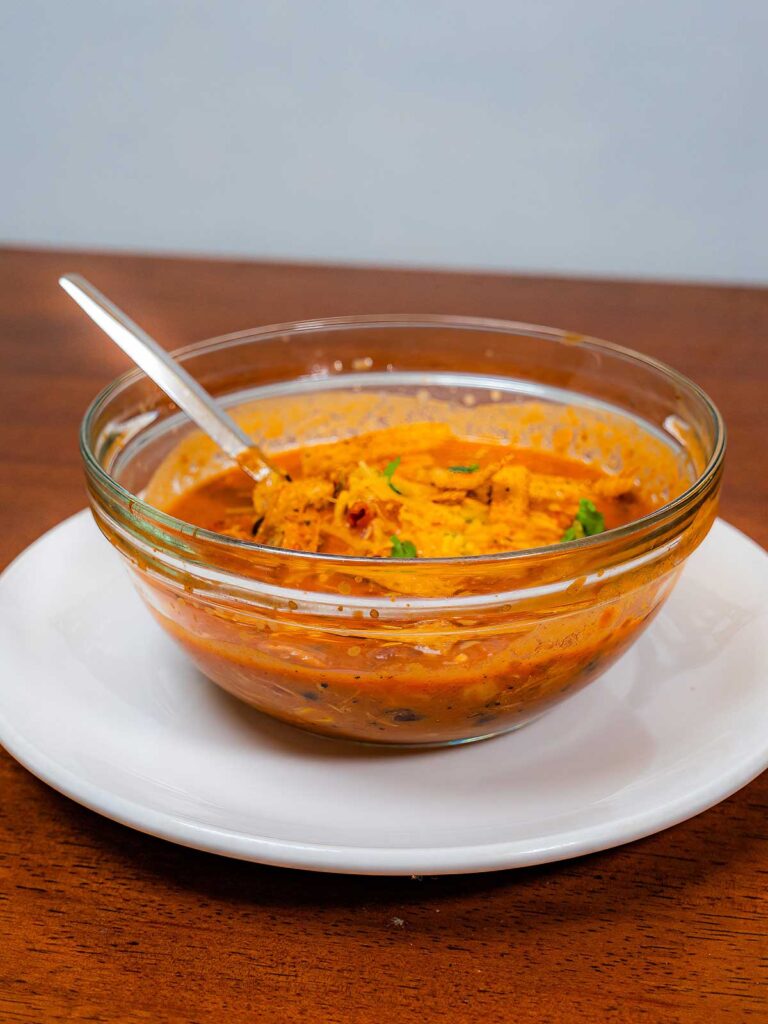
If you want a warm, high-protein meal that feels like medicine when you’re under the weather, my Southwest Chicken Soup is loaded with lean chicken, beans, and vegetables that deliver immune-supporting amino acids in every bowl. For a quick lunch on busy weekdays, the Chicken Avocado Wrap gives you a solid hit of arginine-rich chicken with a complete amino acid profile. And when you need something fast for breakfast, the Apple Vanilla Protein Smoothie blends whey or plant protein into a drinkable amino acid boost to start the day.
Your Next Step
Now that you know how protein supports your immune system at a cellular level, the next move is putting it into practice with recipes that make hitting your daily protein target straightforward and actually enjoyable.
Sources:
- Li, P. et al. “Amino Acids and Immune Function.” British Journal of Nutrition (2007)
- NCBI MeSH: Protein Deficiency at National Institutes of Health
- “Nutrition and Immune Responses: What Do We Know?” NIH Bookshelf, Institute of Medicine (1999)
- “Effects of Malnutrition on the Immune System and Infection.” Frontiers in Immunology (2023)
- “Whey Proteins and Immunity.” National Center for Biotechnology Information
- “Protein 101: Essential Guide to Daily Requirements.” Harvard Health Publishing
- “Nutrition and Immune Function.” Mayo Clinic Health System
- “Three Nutrition Tips for a Stronger Immune System.” Mount Sinai Health
- “14 Science-Backed Ways to Strengthen Your Immune System.” Verywell Health