
Benefits of a High Protein Diet
This post may contain affiliate links. If you purchase through my links, I may earn a small commission at no extra cost to you.
Most people think protein is just for bodybuilders and packing on muscle. When I first started lifting, I definitely fell for that. The reason a high protein diet makes you feel so different comes down to what happens in your digestive system, and it sets off a chain of benefits that go well beyond just muscle building.
Protein is the only macronutrient that sends a direct fullness signal to your brain. It slows sugar absorption, preserves lean muscle mass, and delivers benefits that become clearer as you read on. You do not need to eat 200 grams a day to get any of this. You just need to eat more than what the average person currently consumes. A simple swap like Cottage Cheese Overnight Oats for breakfast can get you well on your way.

What You’ll Learn
- Why protein is the most satiating macronutrient and how it controls blood sugar
- How higher protein intake protects muscle during weight loss
- What “high protein” actually means according to current research
- Why the kidney damage myth keeps showing up and what the data says
- Practical strategies for adding protein to your everyday meals
Protein Signals Fullness Directly to Your Brain
Of all the macronutrients, protein is the one that tells your brain you are full. It is a direct biochemical signal triggered by the amino acids in protein as they move through your digestive system. This is why a meal built around a solid protein source, like the High-Protein Greek Yogurt Bowl for breakfast, keeps you satisfied longer than one centered on carbs or fat alone.
Harvard nutritionist Marc O’Meara puts it this way: protein sets up a kind of dam at the end of your digestive tract. It holds back the sugars you ate and releases them slowly into your bloodstream over several hours. That means more hours to burn through those calories instead of a quick spike and an equally quick crash a couple hours later. The practical upshot is that you naturally eat less throughout the day without counting anything or tracking macros.
Research backs this up. Multiple studies show that higher protein diets increase satiety and reduce overall calorie intake, even when people are not deliberately restricting portions. The effect is especially noticeable with ad libitum eating, which is the fancy term for “eat until you are satisfied.” People on higher protein diets simply eat less without trying to. Even a high-protein dessert like Cottage Cheese Ice Cream can keep you full longer than regular ice cream while still tasting indulgent.

Higher Protein Protects Muscle During Weight Loss
When you cut calories, your body does not selectively burn fat. It pulls from whatever fuel sources are available, and that includes muscle tissue. Without enough protein in the picture, a significant chunk of what you lose on a calorie-restricted diet comes from lean mass, not just fat. That is the opposite of what most people want, since muscle is metabolically active tissue that helps you burn calories even at rest. This is why a high-protein breakfast like Cottage Cheese Egg Bites with Bacon can make such a difference in how your body responds to a calorie deficit. If you’re following a high-protein diet for weight loss, that is exactly the scenario it is built for.
A 2024 meta-analysis published in Clinical Nutrition ESPEN found that higher protein intake significantly prevents muscle mass decline during weight loss, with a standardized mean difference of 0.75 (p 0.001). In plain terms: people eating more protein kept more muscle while losing fat, compared to those on standard-protein diets. Another study in the American Journal of Clinical Nutrition found that participants consuming 2.4 g/kg/day during a 40% energy deficit with intense exercise actually increased lean body mass while losing fat.
An average protein intake of ~1.6 g/kg/day is optimal for maximizing fat-free mass gains during resistance training, according to meta-analytic data.
What “High Protein” Actually Means
The standard Recommended Dietary Allowance for protein is 0.8 grams per kilogram of body weight per day. That number was set to prevent deficiency, not to help you feel your best or optimize body composition. Think of it as the bare minimum so you do not get sick, not a target to aim for.
The International Society of Sports Nutrition recommends 1.4 to 2.0 grams per kilogram per day for physically active individuals. That translates to roughly 0.63 to 0.9 grams per pound of body weight (personally, this is what I strive to aim for on a daily basis.) A 150-pound person would be looking at roughly 95 to 136 grams per day, compared to the RDA of about 54 grams. The American College of Sports Medicine aligns with this range at 1.2 to 2.0 g/kg/day for most athletes.
Here is where things get interesting. Harvard’s Marc O’Meara gives his patients a simpler formula: take your body weight in pounds, multiply by 0.36 for the low end and 0.45 for the high end, and that is your daily gram target. For a 150-pound person, that works out to 54 to 68 grams per day. If you regularly do intense workouts, add another 20 to 25 grams on top of that. The point is that what most people call a “high protein diet” is really just eating at the higher end of what the research actually supports.
The Kidney Myth, Debunked
For decades, the claim that high protein diets damage healthy kidneys has circulated widely. It shows up in dietitian FAQs, Reddit threads, and social media posts with alarming regularity. The concern makes surface-level sense: kidneys process nitrogen from protein metabolism, so more protein must mean more work for them, right? Not exactly.
A 2018 study from McMaster University found no evidence linking high-protein diets to kidney disease in healthy individuals. A one-year crossover study published in PMC (PMID 5078648) had resistance-trained men consuming between 2.5 and 3.3 g/kg/day for an entire year with no harmful effects on kidney or liver function. A 2024 systematic review in Frontiers in Nutrition even found lower chronic kidney disease risk associated with higher total, plant, and animal protein intake.
The risks only become real for people with pre-existing kidney dysfunction. If your kidneys are already compromised, very high protein intake may pose genuine risks. But for healthy adults? You’re likely fine. Multiple organizations, including the Academy of Nutrition and Dietetics, agree that eating more protein is not a risk factor for kidney damage in people with normal kidney function. The myth persists because the advice originally given to CKD patients got recycled and applied to everyone.

Bottom Line
- Protein is the most satiating macronutrient and sends direct fullness signals to your brain, naturally reducing overall calorie intake
- Higher protein intake during weight loss significantly preserves lean muscle mass, which keeps your metabolism running efficiently
- The ISSN recommends 1.4 to 2.0 g/kg/day for active adults, which is roughly double the standard RDA of 0.8 g/kg/day
- High-protein diets do not damage healthy kidneys. The only people at risk are those with pre-existing kidney dysfunction
- You do not need extreme protein numbers to see benefits. Modest increases above the RDA deliver most of the advantages

Things Worth Knowing
-
Per-meal dosing matters
The ISSN recommends 0.25 g/kg per serving, or 20 to 40 grams of protein per meal. Spreading protein evenly across three or four meals is more effective for muscle protein synthesis than dumping most of it at dinner. That is one reason why a comfort food dinner like Cottage Cheese Mac and Cheese, which packs protein into every bite, can be a smart choice for hitting nightly targets. A salmon dinner like Bang Bang Salmon Bites is another solid option for packing protein into your evening meal.
-
Eating order changes blood sugar response
Harvard’s Marc O’Meara recommends eating vegetables first, protein second, and carbs last. This sequence gives you the best blood sugar control because the protein slows carb absorption without the sharp spike you get eating bread or rice first.
-
Older adults need more, not less
People over 65 should aim for roughly 1.25 times the baseline protein recommendation to prevent muscle loss and falls. Aging muscles do not respond to protein as efficiently, so the target goes up, not down.
-
Plant protein counts and may be gentler on kidneys
The Harvard Nurses’ Health Study linked primarily plant-based protein from beans, nuts, and dairy to a lower risk of chronic disease over a lifetime. Some research also suggests plant protein is easier on the kidneys than animal sources.
-
A palm-sized portion = about 20 to 25 grams
Use your palm as a quick visual guide for how much chicken, fish, or another protein source to serve at each meal. Two palm-sized portions already gets most people to 45 to 60 grams of protein for the day.
FAQs
-
How much protein should I eat per day to lose weight?
Most research points to 1.4 to 2.0 grams per kilogram of body weight (roughly 0.63 to 0.9 g/lb) for people who want to lose weight while preserving muscle. A 150-pound person would aim for roughly 95 to 136 grams per day. This range is supported by the International Society of Sports Nutrition and the American College of Sports Medicine.
-
Can a high protein diet hurt your kidneys?
Not if you have healthy kidneys. Multiple studies, including a one-year crossover trial with men consuming up to 3.3 g/kg/day, found no adverse effects on kidney or liver function in healthy adults. The kidney risk only applies to people with pre-existing kidney disease or dysfunction.
-
Is more protein always better for building muscle?
Not always. Meta-analytic data suggests that around 1.6 g/kg/day is the sweet spot for maximizing fat-free mass gains during resistance training. Going well beyond 2.0 g/kg/day does not provide additional muscle-building benefits for most people and just adds unnecessary calories. Paired with resistance training, that range is where a high protein diet for muscle gain does the work.
-
Do I need high calorie high protein foods to gain weight?
Not really. The extra calories for gaining can come from ordinary whole foods. Add rice, oats, bread, peanut butter, and whole milk around your usual proteins, and you will get there without hunting for anything special.
-
Should I get protein from plants or animals?
Both work. Whether you run a meat-heavy plate or a vegetarian high protein diet, the per-kilogram ranges above still apply. Harvard’s Nurses’ Health Study found that people who primarily ate protein from beans, nuts, and dairy had a lower risk of chronic disease over their lifetime. Plant proteins also come with fiber and phytonutrients that animal sources lack. Dense Bean Salad is one way to build a plant protein heavy meal, though animal sources like eggs and Greek yogurt are equally valid. The best choice depends on your overall diet and preferences.
-
Does the order I eat food in matter for blood sugar?
Yes. Eating vegetables first, then protein, then carbs produces the lowest blood sugar spike compared to eating the same foods in a different order. The protein acts as a buffer that slows carbohydrate digestion and sugar absorption into the bloodstream.
-
How much protein do I need per meal for muscle building?
Research shows that about 20 to 25 grams of high-quality protein per serving maximally stimulates muscle protein synthesis in young adults. Going above 40 grams in a single meal does not provide extra muscle-building benefit, though it will still count toward your daily total. If you want a breakfast that hits the 20 to 25 gram sweet spot, Protein Cinnamon Rolls deliver protein right from the start of your day.
Try These Next
These three are where I’d start, and they all work as high protein meals for weight loss without tasting like a diet.
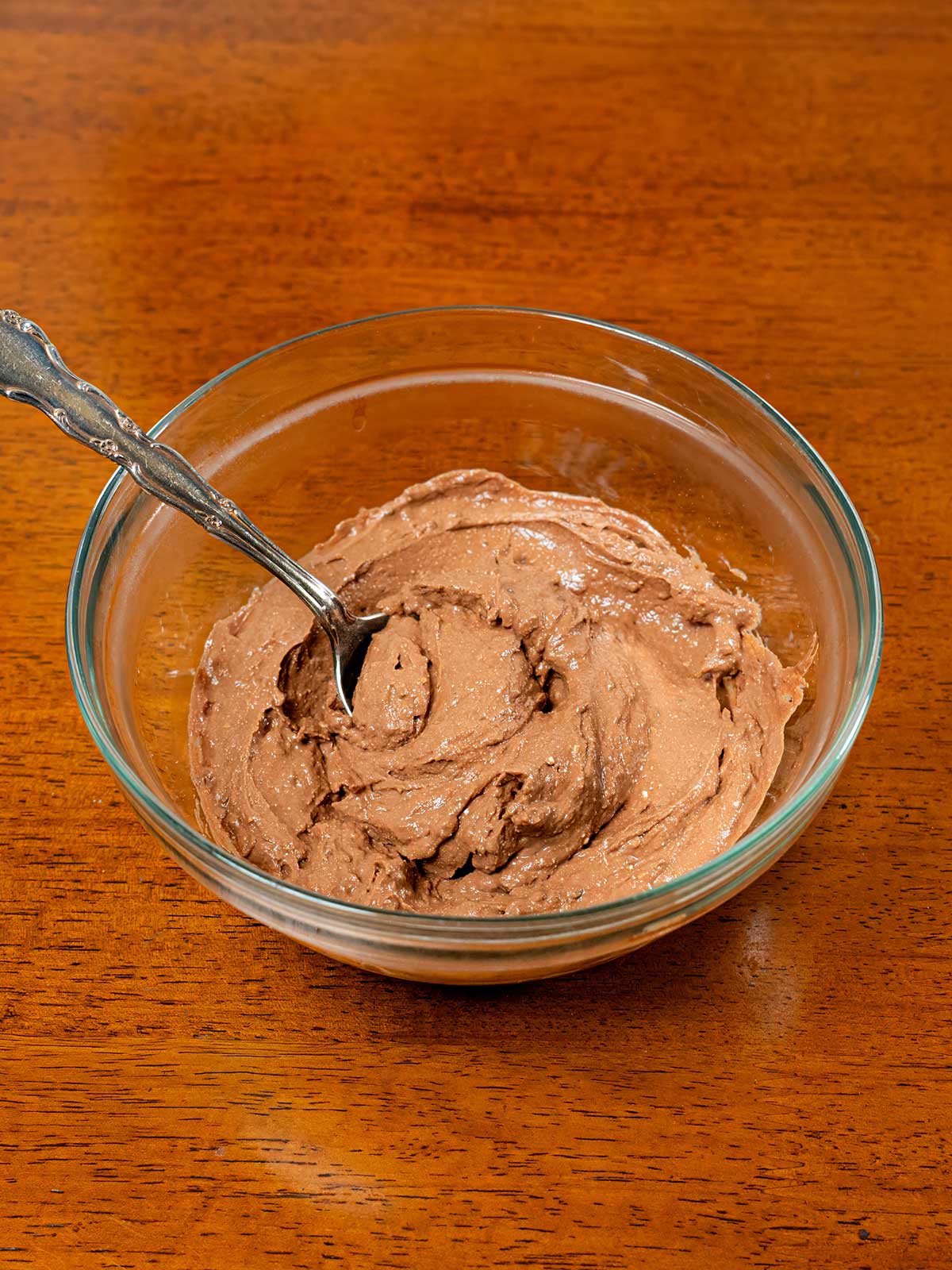
- Cottage Cheese Chocolate Mousse
One of the easiest ways to hit 25 grams of protein at dessert with just 4 ingredients. - High-Protein Greek Yogurt Parfait
A breakfast that delivers 34 grams of protein without any cooking. - One Pan Salmon & Veggies
Simple one-sheet dinner filled with protein and healthy vegetables.
Your Next Step
Now that you know what the research actually says about protein, put it into practice today with a recipe that proves high-protein eating can be simple and satisfying.