
How To Avoid Holiday Weight Gain
This post may contain affiliate links. If you purchase through my links, I may earn a small commission at no extra cost to you.
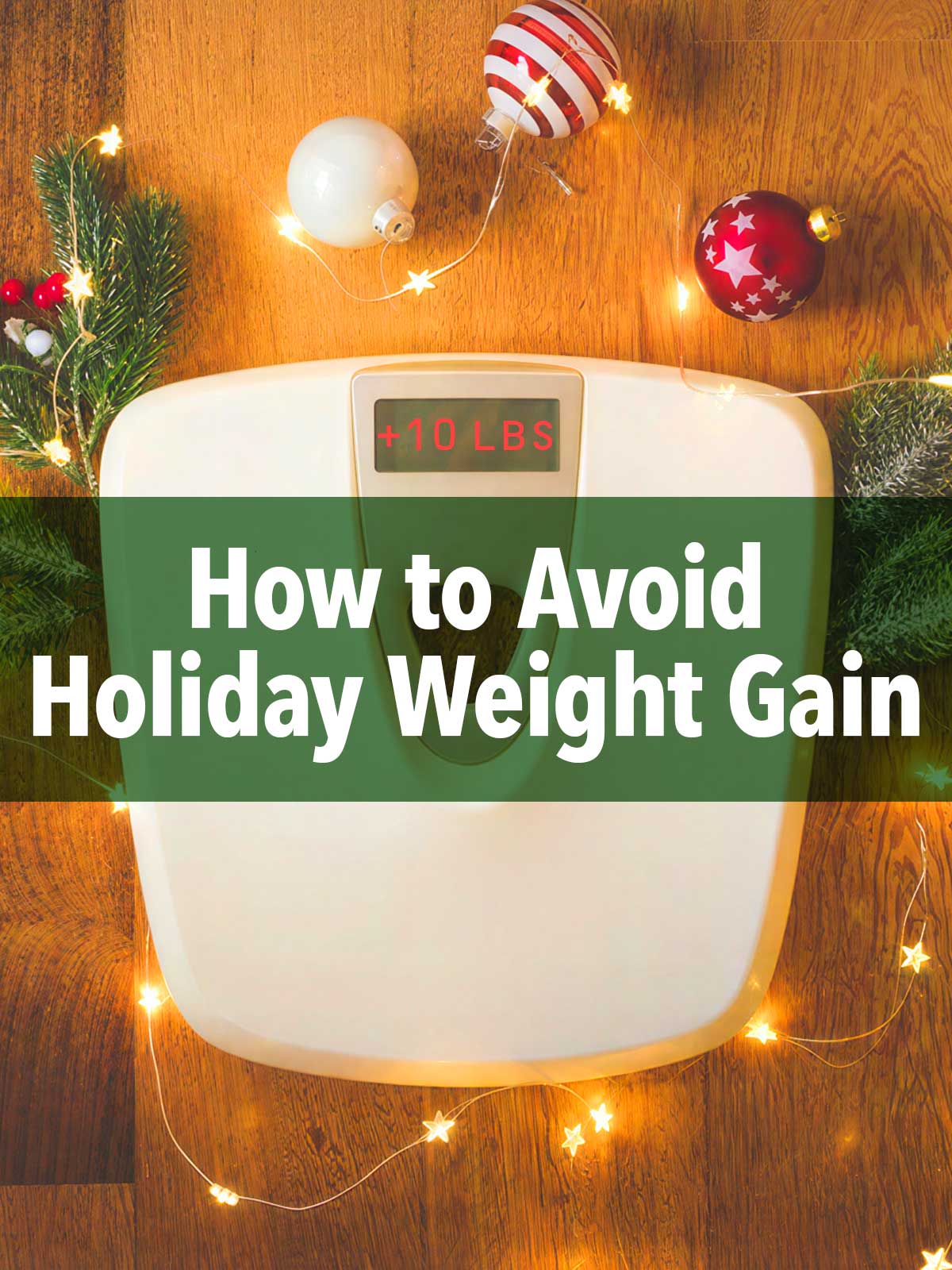
You tell yourself you’ll get back on track in January. Then January turns into February, and those extra pounds are still there. The holiday season is the hardest time of year to maintain your weight because every gathering has a table full of food and your normal routine goes out the window.
If that sounds like you, then you’ve come to the right place. With a few practical adjustments, you can still have an enjoyable eating experience with friends and family without holiday weight gain becoming your January problem. The strategies below come from actual research on holiday eating patterns, not willpower platitudes.
What’s Covered Here
- The actual average holiday weight gain based on clinical research (spoiler: it’s less than you think)
- How front-loading protein and fiber at breakfast and lunch prevents holiday overeating
- How daily self-weighing stops small gains from becoming permanent
- Why flexible eating works better than rigid restriction during the holidays
- Practical steps you can apply starting this weekend

Step 1: Understand What Actually Happens During the Holidays
The internet will tell you that the average American gains five pounds between Thanksgiving and New Year’s. I mean, that number sounds plausible, which is exactly why it keeps circulating despite being wrong.
A prospective study published in the New England Journal of Medicine tracked nearly 2,500 adults through the holiday season. The actual average gain was closer to one pound. Most people didn’t gain anything significant at all.
The catch is that the gain was highly skewed. People who were already overweight or obese gained two to four times more than those in the normal weight range. And that one pound, if it never comes off, compounds into roughly ten pounds over a decade.
So the goal isn’t panic. It’s awareness. You’re trying to be someone who doesn’t gain that pound, or who loses it within a couple of weeks after the holidays end.

Step 2: Keep Protein and Fiber at the Center of Every Day
This is where everything starts. When your regular meals are higher in protein and fiber, you’re naturally fuller throughout the day. That means you show up to holiday events without being ravenous, and you make better choices without feeling like you’re denying yourself.
Aim for 20 to 30 grams of protein per meal with a side of vegetables or whole grains for fiber. Greek yogurt with berries, egg whites with vegetables, my Cottage Cheese Overnight Oats, or a lean chicken breast with a salad all work. These are the kinds of meals I build most of my recipes around because they keep you satisfied for hours.
Protein also reduces impulse snacking. When you hit your protein targets at regular meals, the urge to mindlessly graze on holiday cookies between events drops significantly. It’s not about having more willpower, it’s about being less hungry.
Fiber works the same way. Oats, chia seeds, berries, and vegetables add volume to your meals without adding many calories. You physically feel fuller, which makes portion control at parties feel natural instead of forced.
Step 3: Front-Load Protein and Fiber Before Social Events
This is one of my best personal strategies for the holidays. Instead of waiting until right before a party to eat, front-load your breakfast and lunch with small but filling meals loaded with protein, vegetables, and fiber. By the time you arrive at the gathering, you’re already satisfied and not ravenous.
I usually start with a high protein breakfast like eggs with vegetables or my Cottage Cheese Omelette, then a light but filling snack like my Low Calorie High Protein Energy Balls before any evening events. That combination keeps me full enough to actually enjoy the social part of the gathering instead of treating it like an all-you-can-eat challenge.
When you arrive at the party full, you’ll naturally take smaller portions of the indulgent dishes without feeling deprived because your body isn’t screaming for calories. Scan for vegetables and protein first, fill that part of your plate, then add smaller portions of the heavier dishes you actually want to try.
If there’s alcohol on the table, keep it moderate. Holiday cocktails and beer add significant calories that don’t make you feel full. They also lower your inhibitions around food, which is how you end up at the cookie platter for a third time.
Step 4: Stay Flexible, Not Restrictive
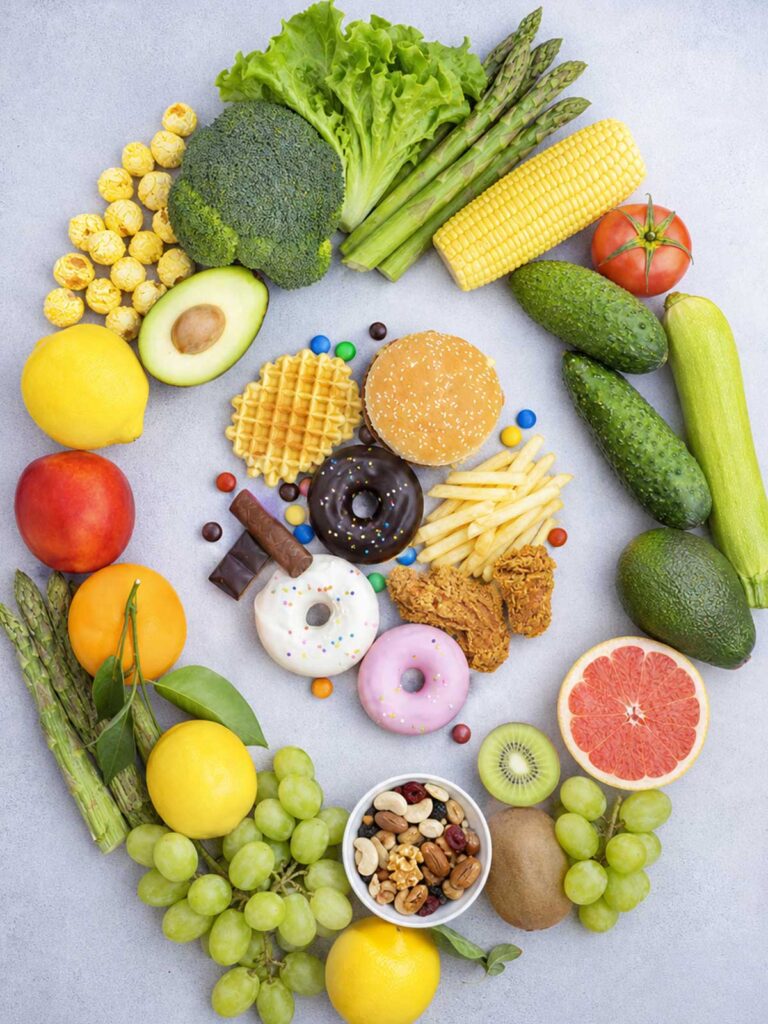
Here’s the counterintuitive part. Research from the American Institute for Cancer Research found that people who try to be extremely strict over the holidays actually gain more weight and are less likely to lose it afterward. The restrainers paradoxically do worse than the flexible eaters.
The reason is straightforward. When you tell yourself you can’t have anything, the psychological pressure builds until it breaks. Then you overeat anyway, feel guilty, and the whole cycle reinforces itself.
The 80/20 approach works better. Aim for roughly 80% of your calories from nutrient-dense whole foods like vegetables, lean proteins, and fruits. The remaining 20% is your buffer for the foods you genuinely enjoy. You get to have that cake or pie (team cake by the way) without making it a moral crisis.
This is exactly where the Flexible Feasts philosophy comes in. There’s no rigid diet plan to follow, no forbidden foods or all-or-nothing thinking. You just have to be aware of portions and priorities while still enjoying yourself.
People who practice mindful enjoyment during the holidays gain less weight than those who try to restrict completely, according to research published by the American Institute for Cancer Research.
Step 5: Monitor Yourself Without Obsessing
You don’t need to track every calorie to stay on track, but having some awareness of what’s happening helps. The research points to two simple monitoring habits.
Daily self-weighing sounds extreme if you’ve never tried it, but the science behind it is solid. A University of Georgia study found that people who weighed themselves daily during the holidays were significantly more likely to maintain their weight. The scale (I use the OXO Good Grips 5-lb Kitchen Scale) acts as a feedback loop. When you see even a small gain, you naturally adjust your eating for the next day or two before it becomes a bigger problem.
The alternative is not weighing yourself for six weeks, then stepping on the scale in January and discovering you’ve gained four pounds. By then, reversing course takes weeks of effort instead of a couple of mindful days.
The second habit is keeping your basic routine intact. Same sleep schedule, same general meal timing, some form of daily movement. When your structure stays consistent, the holiday events become deviations within a stable pattern rather than that pattern collapsing entirely.
Get at least seven hours of sleep. Poor sleep increases hunger hormones and makes self-control genuinely harder, not just a matter of trying harder.
The Short Version
- The average holiday weight gain is about 1 pound, not 5 pounds, though it compounds over years if never addressed
- Eating 20 to 30 grams of protein per meal with high fiber sides keeps you full and reduces impulse snacking
- Front-loading protein and fiber at breakfast and lunch before evening events keeps you full and prevents overeating
- Flexible eating with an 80/20 approach works better than rigid restriction, which backfires psychologically
- Daily self-weighing and maintaining sleep schedules are the two simplest monitoring habits that actually work

Helpful Notes
-
Prep High-Protein Snacks in Advance
Make a batch of portable snacks before the holidays kick into high gear. Protein bars, trail mix, or my No Bake Chocolate Protein Bars keep well in your car or desk drawer. When you hit a lull between meals during holiday shopping or travel, having something ready prevents the vending machine runs that add up quietly. Keep things like Greek yogurt and hard-boiled eggs for home where you have fridge space.
-
Bring a Dish to Every Potluck
Bringing your own dish guarantees there’s at least one high-protein, lower-sugar option on the table. Plus you know exactly what’s in it and how it was prepared. I usually bring something from this site’s recipe collection.
-
Don’t Skip Breakfast on Holiday Mornings
Skipping breakfast to save calories for the big meal is a trap. You’ll be hungrier at that meal, eat faster, and consume more than if you’d had a solid breakfast. A high-protein breakfast sets your hunger levels for the entire day.
-
Keep Moving Even Lightly
You don’t need to maintain your normal workout intensity if travel and schedules make that impossible. A daily 20-minute walk counts. Light activity helps regulate blood sugar, reduces stress, and burns off the extra calories without feeling like a chore.
-
Have a Post-Holiday Game Plan
Decide now what you’ll do when the holidays end. If the scale is up a pound or two, get back to regular high-protein meals and daily movement for one week. Most of that weight comes off quickly when you return to normal patterns. The people who struggle are the ones who let January slide because they’re waiting for the “right time” to start.
FAQs
-
How much weight do people actually gain during the holidays?
A New England Journal of Medicine study found the average gain is about 1 pound from Thanksgiving to New Year’s. People who are already overweight or obese tend to gain two to four times more than those in the normal weight range.
-
Can I still enjoy holiday foods without gaining weight?
Yes. Research shows that flexible eating with an 80/20 approach works better than strict restriction. Enjoy the foods you love in reasonable portions while keeping protein and vegetables as the foundation of your regular meals.
-
Should I count calories during the holidays?
You don’t need to track every calorie if you focus on the big levers: protein at every meal, eating before social events, moderate alcohol, and staying active. Logging food helps if you’re someone who benefits from data, but it’s not required for everyone.
-
Does exercising more during the holidays help?
Exercise helps counterbalance extra calories, but it’s not a complete solution on its own. The biggest factor is still what you eat. Combine moderate daily movement with mindful eating for the best results.
-
Is daily weighing healthy or obsessive?
Daily self-weighing is a practical monitoring tool backed by research from the University of Georgia. It’s not about obsessing over daily fluctuations. It’s about catching a trend early so you can adjust within a day or two instead of discovering a 4-pound gain in January.
-
What’s the biggest mistake people make during the holidays?
The all-or-nothing mindset. People either restrict too hard and binge, or they abandon their habits completely and tell themselves January will be a fresh start. Both approaches lead to the same result. Consistency with flexibility is what actually works.
-
Can you gain weight in one day?
You can put weight on the scale in a single day, and that number is mostly water. Carbs store with at least 3 grams of water for every gram of glycogen, and the extra sodium from holiday cooking pulls more in on top of that. In the water weight vs fat breakdown, the water side is what moves the needle fast. Real fat gain in one day would take a 3,500 calorie surplus, which is more than a single sitting usually delivers.
-
Is holiday weight gain temporary?
For most people, yes, when the eating goes back to normal. The water-heavy portion comes off within a few days as sodium and carbs normalize, and the research points the same way: people who keep weighing themselves and eating regular high-protein meals tend to lose the small gain within a week or two. That one pound average from the New England Journal study is the kind of number that reverses quickly, not something to panic about.
-
How do I get rid of overnight weight gain?
Start with the reframe: most overnight scale jumps are water and digestion, not a new layer of fat. The short answer on how to get rid of overnight weight gain is to let the water normalize. Drink your normal amount of water, eat your usual high-protein meals for two or three days, keep the sodium down, and keep moving. The scale trend over a week tells you the truth that a single morning reading can’t.
Recipes to Go With This
My Creamy Chicken Quesadilla is a quick, filling lunch meal you can eat before heading to a holiday dinner gathering so you’re not arriving starving. For breakfast, prep my Chocolate Peanut Butter Overnight Oats the night before and you’ve got a solid morning meal that keeps hunger under control, even on busy holiday days. And keep my No Bake Chocolate Protein Bars in your bag or office as a high-protein snack when holiday cookie temptation strikes between meals.
Try It for Yourself
Pick one or two of these steps to focus on this holiday season. You don’t need to overhaul everything at once. Start with eating protein before social events and keeping a basic daily routine, then build from there.
Sources:
- A Prospective Study of Holiday Weight Gain (New England Journal of Medicine, PMC)
- Effect of the Holiday Season on Weight Gain: A Narrative Review (Journal of Obesity, PMC)
- New Strategy for Preventing Holiday Weight Gain (ScienceDaily, University of Georgia)
- Strategies to Manage Weight During the Holiday Season (National Weight Control Registry, PMC)
- Holiday Weight Gain: Exploring the Nuance (American Institute for Cancer Research)
- Holiday Weight Gain: Causes and Corrective Measures (Psychology Today)
- Weight Gain Over Holiday Season: Tips to Manage Calories (Mayo Clinic News Network)
- 20 Tips to Avoid Weight Gain During the Holidays (Healthline)
- How to Avoid Holiday Weight Gain: A Dietitian’s Guide (Nutrisense)
- The Truth About Holiday Weight Gain (WebMD)