
The Items You’ll Want For Your Kitchen
Most kitchen gadgets never make it past the first month in my kitchen, and honestly, I have tried more than a few that never make it past the first recipe. These are the tools I reach for almost every week when I’m cooking the high-protein meals you see on this site, and if you are building a kitchen from scratch, this is where I would start.
Some links below are affiliate links. If you make a purchase through them, I may earn a small commission at no extra cost to you.
Jump to Category
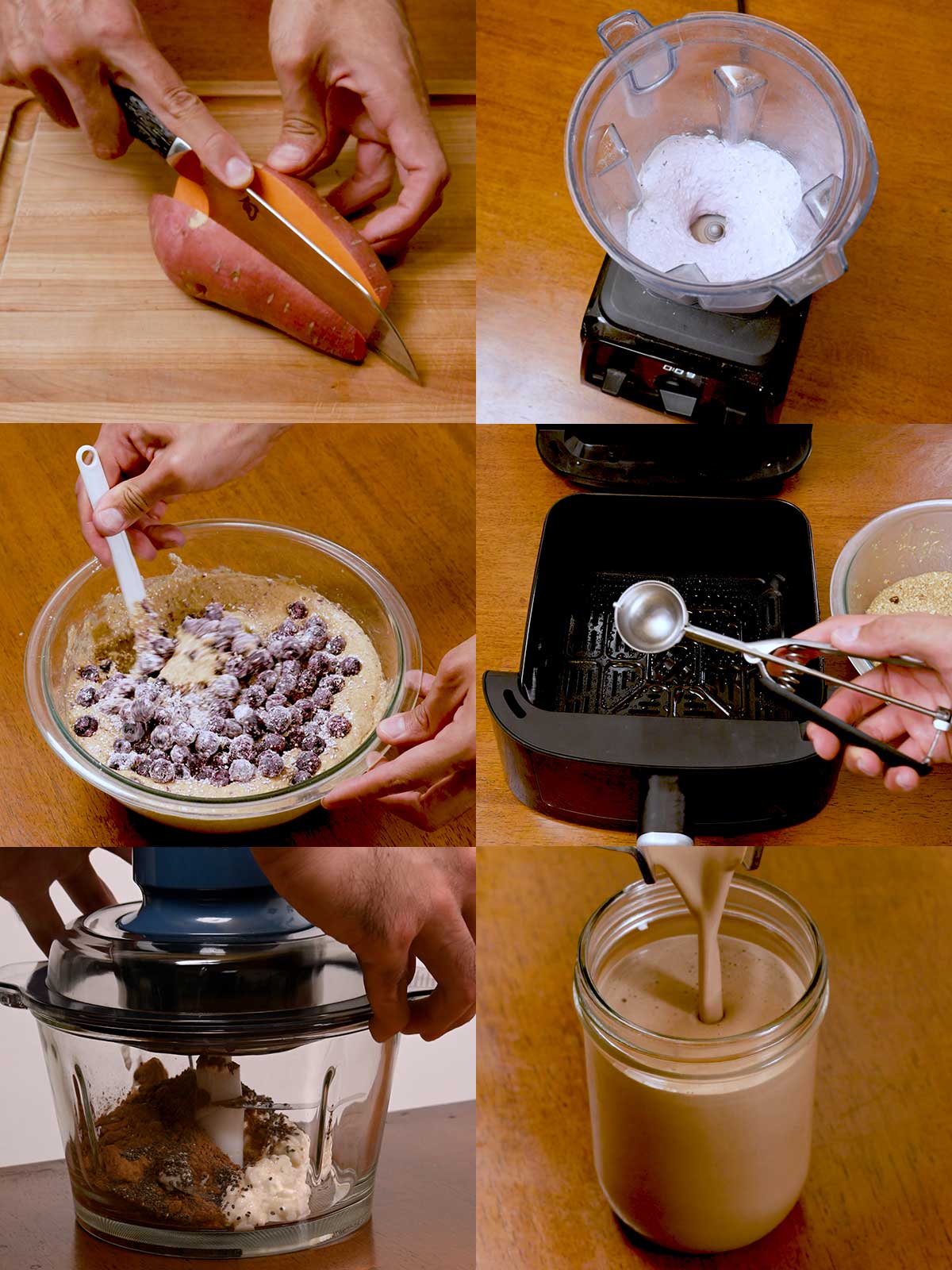
The Essentials
These are the tools that get the most use in my kitchen and the ones I would recommend prioritizing first. You could get by with just these tools for the majority of your cooking needs along with a couple others from the other categories.
- All-Purpose Knife (7″)Shun Premier A high quality knife is one of the best investments you can make for your kitchen. Whether it’s cutting chicken breasts or finely dicing green scallions, if you could only buy one knife for the majority of your cooking needs, the Shun Premier 7″ Santoku Knife is that knife.
- Kitchen ScaleOXO This has honestly been my most used kitchen appliance over the last decade as I find it much more accurate to weigh my food and go by grams or ounces. If you’re like me and you use this a lot, avoid the cheap competitors on Amazon and stick to this reliable one from OXO.
- Half Sheet Baking Sheet (18″x13″)E-far When it comes to baking, this size is the ideal one to get. I can easily fit 3 lbs of Baked Chicken Nuggets, more than a dozen cookies or cook a one pan meal.
- Wooden Cutting Board (16″x12″ )WoodForChef A solid cutting board is another strong investment for any home cook. What I like about this particular one is how it’s raised up, doesn’t move at all and you can use either side for cutting.
- Mixing Bowl (2.5 Quart)Pyrex This is the large bowl I reach for first almost every time I am mixing something, and it sits at the front of the cupboard where I can grab it without thinking. It is the default for batters, marinades, and holding a prepped portion between steps. I would prioritize getting this size bowl first and then consider smaller mixing bowls if needed.
- Cast Iron Skillet (12″)Utopia The size and quality of a 12″ cast iron skillet pretty much makes it the only pan you’ll need for most of your cooking. If you’re not a fan of the weight or the 12″ size, I would recommend the 9″ or 10″ skillet instead of this.
- Baking Dish (8″x8″)OXO While some might say the 9″x13″ is more versatile, I find myself reaching for the 8″x8″ (2 quart) size more. It’s what I’ll use for recipes like my No Bake Chocolate Protein Bars.
- High Speed BlenderVitamix A2300 Ascent Series This is one of the few pricy products where it is absolutely worth spending the extra money. I used to go through a new budget blender after a year or two but this Vitamix one has not only been way more reliable but my blended drinks are noticeably smoother as well.
- Utility TongsWinco What I use to flip proteins and pull vegetables in and out of the pan, and the 12 inch length keeps my hand a safe distance from the heat.
- WhiskOXO This 11 inch whisk is what I use for eggs, batters, and sauces, and the long handle keeps my hand out of the bowl even when I am mixing a full batch.
- Stainless Steel Measuring Spoons SetTILUCK This is usually one of the first things I’ll reach for in a drawer so I am not guessing on spice amounts or seasoning. The stainless steel holds up to the dishwasher better than plastic sets.
- Digital Meat ThermometerAlpha Grillers I use this to check chicken and steak as they come up to temperature, and the fast readout tells me when the meat is done without cutting into it to look.
- Wooden TurnerOXO If you like to scramble eggs or cook ground meat on the skillet, I would also highly recommend picking up one of these. This one from OXO is sturdy and is easy to hold when I’m breaking up ground turkey.
- Silicone Spatula SetHome Hero If you like to make omelettes or pancakes, this is a must have for when it’s time to flip them. The silicone material also holds up better to the heat than the plastic ones.
- Pairing Knife (4″)Victorinox The small knife I reach for when I am cutting fruit or trimming a vegetable, and the 4 inch blade handles that kind of work better than trying to do it with my big santoku. I would prioritize getting the 7″ first but this one from Victorinox is a great value in my opinion.
Cookware & Bakeware
After you’ve got your essential baking dishes and pans, these products below open the door to bread recipes like Protein Pancake Bread and Cottage Cheese Mini Cheesecakes.
- Baking Sheet (17″x11″)GoodCook If I’m baking something small and don’t want to grab the half sheet pan, I’ll use the 17″x11″ baking sheet. It also comes in handy when I am prepping a lot at once and need two pans going in the oven at the same time.
- Loaf PanGoodCook I use this for breads, meatloaves, and casseroles, and it is the shape I reach for when meal prepping a batch of protein to portion out the next morning.
- Muffin Pan (12 Cup)GoodCook The 12-count size makes portion control easy for things like egg bites and muffins during a prep day, and one batch feeds a whole week of snacks.
- Nonstick Skillet (9.5″)Redchef This is the pan that I’ll opt for if I’m not cooking a large quantity of food. I also find the ceramic nonstick lets me cook with less oil while the food still comes off the pan clean.
- Grill Pan (11″)SENSARTE This is a convenient way to get the benefits of grilling your food without needing an outdoor grill. It’s also lightweight and big enough to fit a good amount of protein or vegetables.
- Porcelain Ramekins (Set of 6)YAZYLIFE I keep these for single serve bakes like my Protein Chocolate Ramekin Cakes recipe. I also find these handy for storing snacks or sauces as I can easily fit these in my lunch cooler when I go to work.
- Silicone Baking Cups (24 Pack)The Silicone Kitchen While the paper liners are cheaper, I’m a big fan of spending the extra money on these reusable silicone baking cups. Muffins easily come out of these and I’m pleased with how durable they are.
- Parchment PaperReynolds Kitchens Line the baking sheets with this and the cleanup takes a few minutes instead of a scrub with a sponge. The low curl matters a lot on a full sheet pan.
- Glass Baking Dish with Lid (9″x13″)OXO This is the larger baking dish that I’ll reach for things like healthy casseroles, lasagna or mac & cheese.
- Springform Pan SetNordic Ware If you want to make a traditional sized cake or cheesecake, you should consider picking up one of these. What I like most about this one is the non-stick surface and the release switch. It makes it really easy to get the cake or cheesecake out of the pan while preserving its shape.

Small Appliances
While most of these small appliances aren’t necessary, they’ll make your life a lot easier and more convenient. Here are some of my favorites.
- Air Fryer (6 Quart)Cuisinart Not only is an air fryer a healthier way to crisp up your foods without deep frying in oil but it’s also a life-saver during the hot summer months when turning on the oven isn’t the smartest choice. I find the 6 quart size to be a good balance between fitting a good amount of food in the basket without taking up too much space.
- Food Processor (7 Cup)La Reveuse This is a handy powerful tool to help you mince onions, herbs or blend dips and salsa in minutes. The glass bowl is what I liked about this one for durability and hot liquids.
- Immersion BlenderOVENTE If I want to smooth out a soup or blend a quick smoothie in the same container, I find it much more convenient to reach for this instead of getting my Vitamix blender out. It also has two speeds, and the lower one works well for lighter mixing.
- Slow Cooker (4 Quart)Sunvivi One of my favorite appliances when I want to make something flavorful but don’t have the time to be in the kitchen. For most slow cooker recipes, you can toss your ingredients in there, set it on low and then several hours later, your recipe is good to go for lunch, dinner or meal prep. The 4-quart size is the one I would recommend if you are cooking mostly for one or two, and the removable ceramic pot makes cleanup a breeze.
- Waffle Maker (4-Slice)KRUPS I’ve gone through several waffle makers and this one is the best one that works for my needs. The large size means I have 4 high protein waffles ready to go at once instead of waiting for additional waffles to finish cooking. The removable plates also make it easy to clean.
- Pressure Cooker (6 Quart)Instant Pot This is what I batch cook rice, lentils, and proteins in when I want all of it done before I start the rest of dinner. White rice goes from raw pot to ready in under 30 minutes on the pressure setting, and that time savings is real on a weeknight when I am already behind. The 6 quart size holds a full batch of grains without taking over the counter, which is why I would get this one before looking at the larger models.
- Stand Mixer (5 Quart)KitchenAid I picked this up for the mixing a hand mixer used to leave undone, like full batches of higher protein cookie dough and frosting. The bowl runs at a steady speed on its own, so I can just scrape in the rest of the ingredients while it works. The tilt head is the reason I recommend this model, because I can reach in with a spatula to clean the sides without removing the bowl every time. The 5 quart bowl handles a full cookie batch or a generous frosting without spilling over.
Prep & Cooking Tools
Small tools that save time and keep my weeknight cooking from turning into a long, drawn out process.
- Carving Knife (19 cm)Victorinox This is the blade that comes in after a batch of chicken or a roast comes out of the oven. The 19 cm length slices through a full breast or roast in even pieces without sawing, so I can portion out a week of protein in a few minutes instead of fighting with a big knife for small ones.
- Mixing BowlPyrex These smaller mixing bowls are usually what you’ll see me use when I present the ingredients to the camera. When I’m not filming, I find these to be ideal for storing sauces or any leftovers in the fridge.
- Fine Mesh Strainer (8″)Winco Rinsing grains and draining small pasta used to be a mess, because the fine bits slipped through the holes in my older strainer. The fine mesh keeps them in the bowl where they belong, and the 8 inch width fits a full pot of small pasta without the water sloshing over the rim.
- Bristle Pastry BrushGoodCook I’ll reach for this to butter a pan before baking or to brush a glaze over the top of finished bakes like my Air Fryer Korean Chicken Thighs. The bristles hold enough glaze to spread it in one sweep, so it does not drip down the sides of the dish or onto the baking sheet below.
- Garlic PressOXO When a recipe calls for fresh garlic and I do not have time to mince it, this crushes a few cloves in seconds and takes it finer than I can get with a knife. I also do not have to dig garlic off a blade afterward, since I just pull the press apart and wipe it out.
- Kitchen ShearsKitchenAid While I prefer to use my knife and cutting board, I still find these handy for things like snipping tips off herbs, trimming cooked chicken, or cutting open packages. So these are a convenient tool when I don’t want to get the knife and cutting board out.
- Cookie ScoopOXO This is the size (medium) that I’ll use for most of my cookie or meatball recipes. You can get smaller or larger cookie scoops if you have a specific use-case for those but I find the medium to be the most versatile.
- Cooling Rack (13″x18″)KitchenAid This lines up flat with my baking sheets, so I can slide a batch of baked goods from the tray straight onto the rack without reaching for a second plate. Air moves around every piece as it cools, so the bottoms do not steam. The racks also stack, which keeps my counter clear when I have several batches going at once.
- Vegetable PeelerOXO This is the peeler I use on zucchini, carrots, and anything with a thicker skin. The swivel head follows the curve of a halved zucchini without me having to twist the vegetable to reach the edges, and the flat blades I used to own would lift up the skin in large chunks instead.
- Colander (5 Quart)Chef Craft Draining a full pot of pasta or rinsing greens used to mean water spilling out the top, because my older colanders were so shallow. The 5 quart depth gives me room to toss the contents around while rinsing without anything going over the rim.
- Grater & ZesterDeiss The four sided design covers most of what I need, with one side for parmesan, the fine side for ginger and nutmeg, and the zester for lemon peel over a grain bowl. It stands stable on the counter in its upright shape, so I can work with one hand on the item and one on the grater.
- Liquid Measuring Cup (1 Cup)GoodCook I find the 1 cup measuring cup to be the ideal size for most home cooks and it’s easier to store than the larger measuring cups. Unless you have a real need for a larger one, stick to this size.
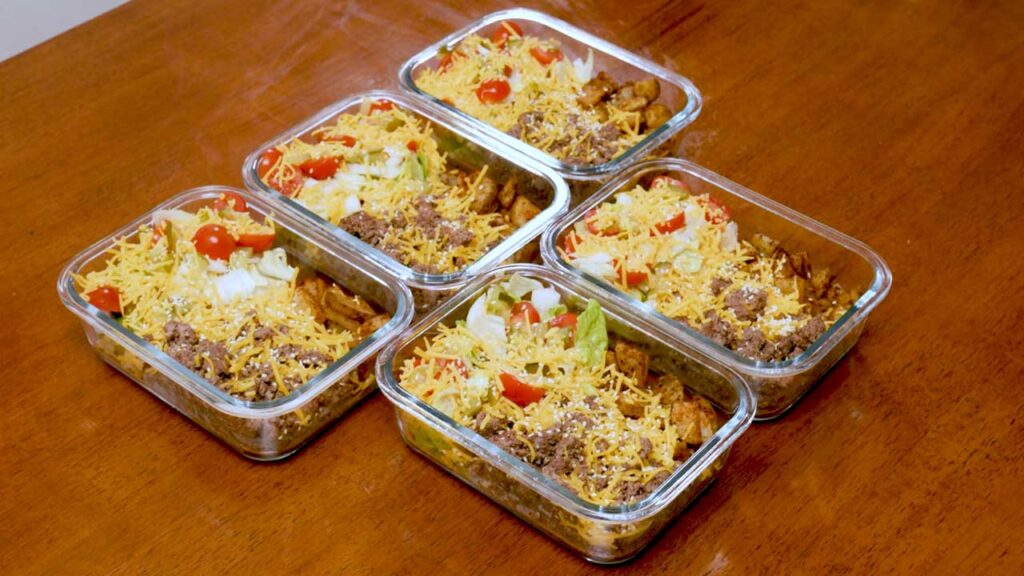
Storage & Pantry
Prep is only half the job, so I pair every batch I cook with storage that keeps it fresh and ready to grab, no matter how busy the week gets.
- Glass Meal Prep Containers (5 Pack, 35 Oz)BAYZZ My go-to meal prep containers for my lunch throughout the week. I find the 35 oz size to hold the right amount of food for a healthy filling lunch while also being able to stack them in the fridge to save space.
- Mason Jars (16 Oz, 4 Pack)ComSaf These live in my fridge for overnight oats, ice creams, sauces and smoothies. The 16 ounce size is about the right amount for one serving, and they stack in the fridge door without taking up shelf space.
- Canister Set with Wood LidsComSaf I’ll use these for storing things like cocoa powder, powdered peanut butter and dried fruit. I’ve even used these for whipping egg whites for my Protein Granola recipe. Their tall and narrow profile also helps with storage space as well.
- Wide Mouth Glass Storage Jars (2 Pack)Qianfenie These are great for storing large quantities of pantry staples. For me personally, I’ll use these to store my oat flour and whole wheat flour since you can get these cheaper when you buy a larger size.
- Gallon Freezer Bags (28 Count)Ziploc I find these to be ideal for marinating chicken or storing other things away. The bags lay flat, which gives me more space than a bag that clumps together, and the stand up bottom lets me prop the bag open while I fill it.
- Reusable Silicone Bags (4 Pack)Stasher While they’re a bit pricy compared to buying single use plastic bags, I like that they are more durable and I can wash them out and run them through the dishwasher when the bag is done being used. This four pack also gives you a good variety of different sizes for different storage use cases.
Healthy Ingredient Pantry Staples
These are the healthy ingredient staples I reach for in most of my recipes. They show up in both a full meal plan and a quick dinner, and they are easy to rotate in and out.
- Whey Protein (Vanilla)Levels I’ve tried many different brands of protein powder and Levels is the one I’ve been using the most lately. It has a clean ingredient profile that is sweetened with stevia and monk fruit, 24 grams of protein and is reasonably priced. I have the 2 lb version listed here but you can save more money per serving by buying the 5 lb bag.
- Whey Protein (Chocolate)Jocko Fuel Jocko Fuel is the other brand of protein that I recommend as they offer a clean and high quality tasting chocolate flavor that is sweetened with monk fruit.
- Unsweetened Vanilla Almond MilkSilk I rely heavily on unsweetened vanilla almond milk as I am a fan of adding minimal calories while still delivering that milk-like flavor, albeit a bit watered down.
- Rolled Oats365 by Whole Foods Market I make most of my overnight oats and pancake recipes with these and I’ve been happy with the taste and consistency of the 365 brand. They’re very affordable and you can also make your own flour by blending these in a blender.
- Peanut Butter PowderIt’s Just! I’m a fan of powdered peanut butter for the peanut butter flavor without the calories that regular peanut butter has. What I like about this particular one is that it only has one ingredient, powdered peanut butter. There’s no added sugar like some other brands out there.
- Almond FlourBlue Diamond This is the flour I go with for when I want recipes like my Protein Cinnamon Rolls to have a more moist and softer crumb. It can get a bit pricier than other flours but I find the blue diamond one offers good value.
- Raw & Unfiltered HoneyKelley’s Organic My go-to natural sweetener with added sugar for most of my recipes. The unfiltered style is stronger than the regular stuff, so I do not need as much, and that is the part that matters for a small bowl of protein oats.
- Pure Maple SyrupButternut Mountain Farm This is the other natural sweetener that I recommend often on this site. I don’t use it as much as honey (personal preference) but I will opt for it for pancakes and waffles. I picked the darker grade because it is richer than the lighter ones, so a little does more work.
- Pure Vanilla ExtractKirkland This goes into almost every sweet bake I make, and the 16 ounce bottle lasts long enough that I do not have to think about it running out. It also works out cheaper than buying the small bottles at the store.
- Himalayan Pink SaltMorton This is the salt you’ve likely seen on many of my recipe videos as it’s almost always used in my recipes. It also dissolves into a sauce the moment it hits the pan, so I do not have gritty pieces left in the dish.
- Avocado OilAmazon Grocery This is my favorite oil to use due to the neutral flavor and the higher smoke point to avoid burning my food. It can be a bit pricy but I’ve found the Amazon brand to offer good value and good quality as well.
- Extra Virgin Olive OilAmazon Grocery This is the other oil I will reach for due to the healthy fats and the smooth flavor notes it adds. The 51 ounce size is what I like since it’s cheaper per serving and a pantry staple you will likely be using often.
- Refined Coconut OilAmazon Grocery Coconut oil works similar to other oils but I won’t use it as often due to the higher levels of saturated fat it contains. It still is useful for things such as melting chocolate chips into a smooth chocolate sauce or helping frozen treats like cottage cheese ice cream have less of an icy texture.
- Avocado Oil SprayChosen Foods I use this quite a lot in my cooking to prevent sticking. The spray is the part that matters to me, since it covers the whole pan evenly and I do not pour nearly as much oil as I would straight from the bottle.
- Coconut AminosHeaven & Earth Coconut aminos is a substitute for soy sauce without the soy aspect, but I honestly can’t taste the difference. You still get the umami benefits that you would get with soy sauce but with less sodium with this particular product.
- Blue Agave SrirachaYellowbird This is my favorite sriracha sauce as it adds a bit of heat and sweetness without adding excess calories. The Blue Agave version is not very spicy either which is nice for those who cannot tolerate spicy foods well.
- Nutritional Yeast FlakesMicro Ingredients This is my secret weapon for imitating that cheesy flavor without the extra calories and saturated fat that comes from cheese. It also brings a solid amount of protein along with the flavor.

Healthy Swaps
Small ingredient changes that push the macros in the right direction without making a meal taste like a diet, and most of them go into recipes you already make.
- Monk Fruit SweetenerLakanto This is my preferred natural sweetener that you’ll see me use in most of my healthy desserts. What I like about monk fruit is how it doesn’t have a bitter aftertaste and it doesn’t give me an upset stomach like erythritol does. This one from Lakanto is also a 1:1 direct replacement for sugar so you know exactly how much to use in place of refined sugar.
- Powdered Monk Fruit SweetenerWholesome Yum The powdered form of my preferred sweetener (monk fruit) is the one I use for icing, glazes, and dusting. A granulated sweetener does not dissolve the same way sugar does in those mixes, but this one behaves more like real powdered sugar.
- Monk Fruit Brown SugarWholesome Yum When a recipe really needs the caramel note of brown sugar, this is the one I reach for. It keeps that flavor without the added sugar the real thing carries, and the texture is close enough that recipes like cinnamon rolls bake out the way they should.
- Sugar-free Chocolate ChipsChocZero These are what I bake into higher protein cookies and bars in place of regular chips, and they melt in the oven the same way, so the cookie still gets its pockets of soft chocolate.
- Sugar Free Maple SyrupChocZero When a breakfast or dessert recipe calls for maple syrup and I want to keep the calories and sugar down, this is what I reach for. Like most sugar-free healthier alternatives, it’s a bit pricy but the one from ChocZero does a good job of tasting close to real maple syrup.
- Unsweetened Applesauce (4 Oz, Pack of 6)Happy Belly If I want to lower the calories a bit on a recipe while still keeping it moist, I’ll use this in place of butter or oil. The taste is also subtle and you won’t really taste the apple flavor once you cook it in things like pancakes or waffles. The little 4 ounce cups are single servings, so I can add it to a recipe without measuring anything.
- Date SyrupDate Lady If you don’t want to use added sugars like honey and you’re also not a fan of calorie-free natural sweeteners like stevia, this is what I would recommend. Since it’s just dates, it’s naturally sweetened by fruit and adds a bit of a fruity flavor without any added sugar.
Spices & Flavor Boosters
Healthy food falls apart at the flavor step for a lot of people, so I keep a small, focused rack of seasonings that cover most of the savory recipes I make.
- Ground Ceylon CinnamonSimply Organic This is the one seasoning besides salt that you’ll see in a lot of healthy baked recipes. It adds a subtle warm flavor note to your dishes and also contains several health benefits as well.
- Unsweetened Cacao PowderViva Naturals This is a must have if you want to create many chocolate flavored recipes. Cocoa powder is also an affordable way to add a bit of extra fiber in your diet. The unsweetened cocoa will taste bitter by itself but the unsweetened allows you to control the sweetness level and add your own sweetener like honey instead of the refined sugars some brands contain.
- Squeezable Minced GarlicSpice World On the days I do not have time to chop and mince fresh garlic, this is what I use. A squeeze straight into the pan gives me the flavor the recipe is asking for without me having to stop and measure.
- Squeezeable Ground GingerSpice World I keep this one for the same reason I keep the garlic. It is what adds a quick ginger kick to a stir fry or a savory bowl, and it goes in while the vegetables cook so I do not have to peel and grate fresh ginger at the last minute.
- Pumpkin Pie SpiceFrontier Most pumpkin recipes will call for this to enhance the pumpkin flavor a bit more. It actually doesn’t contain any pumpkin but the variety of different ground spices in it is what creates that flavor profile you’re used to tasting in a pumpkin pie.
- Espresso PowderKing Arthur When I really want to enhance the coffee flavor profile of a recipe or I don’t feel like brewing coffee to add into a recipe, I’ll use espresso powder. A little goes a long way with this stuff so you don’t need a lot which helps it last you quite a while.
Snacks & Grab and Go
Whether I am taking my lunch to work, need something for the road or just don’t have any time to cook, these are the snacks I will reach for.
- RXBAR Protein Bars (3-Flavor Variety Pack)RXBAR The clean and simple ingredient profile is what I really like about RXBARs. While they might not taste super sweet like a typical protein bar, that’s because there’s no added sugar and no artificial sweeteners involved. I can rely on these delivering energy for me on-the-go without worrying about any sugar crashes.
- TRUBAR Protein Bars (Variety Pack)TRUBAR This is the other protein bar that I recommend that doesn’t have any sugar-free sweeteners in them. The flavor on these are amazing although they are sweetened with organic cane sugar, so enjoy these if it fits your macros.
- Almond Flour CrackersSimple Mills Forget the fact that these are healthier gluten-free and grain-free. These are some of the best crackers I’ve tasted, healthy or not. I can’t recommend these enough and they’re the one non-protein bar snack I am almost always carrying with me on-the-go.
- Deglet Nour DatesYupik Dates are a great versatile fruit that you can enjoy as a snack on its own or use in your baked goods. You can even turn them into a spreadable paste to naturally sweeten your food. If you’re interested in making date paste, I have a guide right here.
- Teriyaki Beef JerkyTillamook I keep this around for a high protein snack on the busy days, and the teriyaki flavor has less of a salty edge than the plain ones. It also keeps its chew in a bag, which a lot of jerky does not.
- AlmondsYupik If dates are my preferred carb for snacks and beef jerky is my preferred protein, I would say almonds are my preferred fat for snacking on-the-go. This larger pack from Yupik is good value and good quality, and at this size I can grab a small handful every day for snacking and still have plenty left for baking. It’s the same bag I keep in my pantry instead of buying small packs that run out after a few days.

Frequently Asked Questions
These are the questions I get the most in my video comments, so I put the answers here in one place instead of making you dig through older posts.
If I am starting from scratch, what should I buy first?
I would start with a good knife, a cutting board, one sheet pan, and a basic pot or two. Those cover most of the recipes on this site, and you can add from the rest of this list once you know what you want to cook.
Do I really need an air fryer if I already have an oven?
Just about anything that you would cook in an air fryer can be cooked in an oven, so it’s not required. It does come in handy if you want to cook your food faster, want to crisp it up without deep frying or you don’t want to turn the oven on during a hot day. If counter space is tight, you can skip it and use the oven.
Are expensive knives worth it?
While I believe in investing in a good quality knife that will last you years, if you cannot afford one, a mid-range knife works just as well. The two things that matter most are a sharp edge and a handle that feels solid in your hand, and you can get both without spending a lot. An upgrade is worth it when the knife starts pulling instead of cutting and you can no longer keep a decent edge on it.
How often should I sharpen my knife?
With normal weeknight use, I sharpen my Santoku every two to three months. In between, it stays sharp enough for daily vegetable work, and if the blade starts slipping on things like tomatoes, that is my cue to sharpen it.
Why do you use glass meal prep containers instead of plastic?
Plastic starts looking cloudy and holding on to odors after a few months of daily use, and glass does not have either problem. Mine have held up through years of fridge work, and the airtight lids keep leftovers from drying out. Glass is heavier and costs a little more up front, but since it is the piece that lasts the longest, it ends up costing less over time.
Do I need a half sheet pan if I already have a regular baking sheet?
A half sheet is only a few inches larger than a home baking sheet, but it has higher edges and it is built to be stacked. It is the pan I do most of my roasting on. A 17 by 11 is plenty for everyday cooking, and the half sheet is worth it when your recipes need more room to spread food out.
Nonstick or stainless steel for healthy weeknight meals?
Honestly, I use both. I reach for stainless steel when I am searing protein or roasting, and nonstick for eggs, fish, and other delicate things where I want to keep the oil low. For healthy cooking, the material matters less to me than how often you actually use the pan.
Do I really need a kitchen scale for high-protein meal prep?
If you are tracking macros, I would highly recommend it. Cup by cup measurements vary more than most people expect, and that adds up over a full week of prep. Once you use the scale a few times on a recipe, you can eyeball the smaller amounts, and it is mostly there for the first batch of a new recipe.
Is whey concentrate or isolate better for protein shakes?
The difference is a few grams of protein and a few calories, so for most people it comes down to which flavor you like better. Concentrate tends to taste a little creamier, and isolate has slightly fewer calories, which is why I keep that one around for lower calorie days.
What kitchen gadgets are not worth the space?
Basically the ones that do a single job. If something only does one thing and I would take ten minutes to do it by hand, I just do not buy it. Before I pick up an appliance, I ask myself how many times a week I will actually use it, and if the honest answer is a few times a month, I can almost always do without it.