Healthy Sugar Free Teriyaki Chicken
This post may contain affiliate links. If you purchase through my links, I may earn a small commission at no extra cost to you.
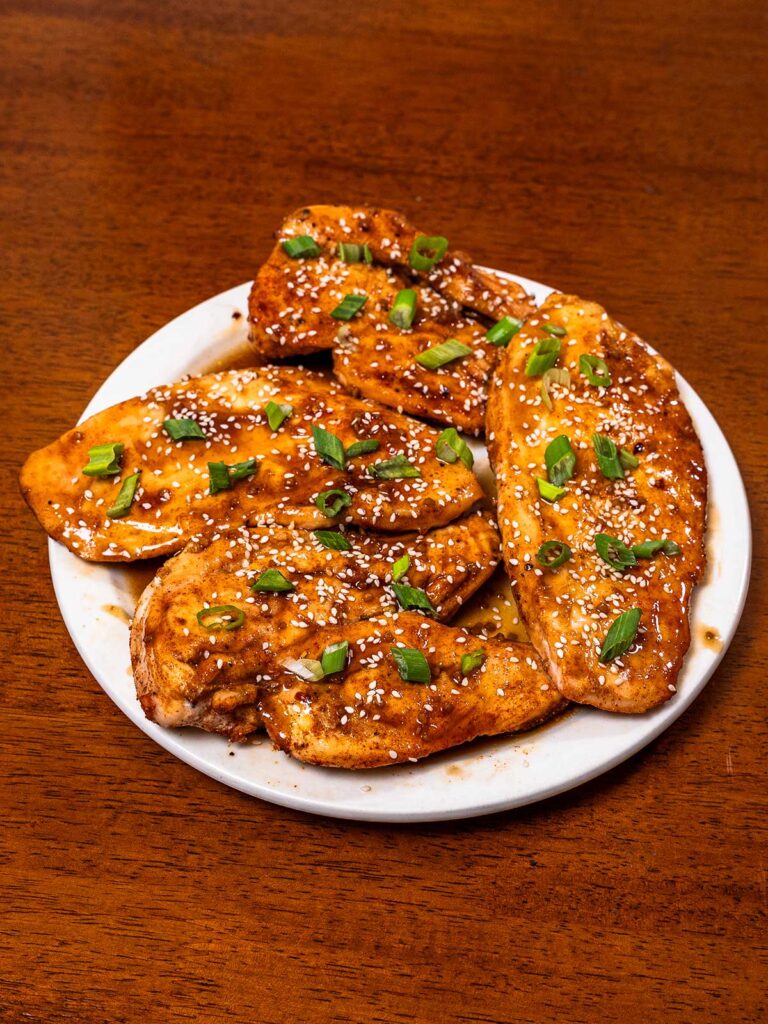
This high protein chicken teriyaki clocks in at 44 grams of protein per serving without the sugar spike from typical takeout versions. The homemade sauce uses allulose instead of brown sugar, so you get that sticky, caramelized flavor with a fraction of the carbs. It bakes on one sheet pan while the sauce thickens in a skillet, which means minimal cleanup and maximum flavor.
What Makes This Actually Good
- This sugar free teriyaki sauce caramelizes just like traditional teriyaki because allulose browns at high heat the same way sugar does, giving you that sticky glaze without the 15 grams of added sugar.
- Baking the chicken on a sheet pan instead of stir frying keeps the texture tender and consistent across all five servings, so you get no dry edges or burnt bits.
- 44 grams of protein per serving comes almost entirely from the chicken breast. The sauce adds flavor, not macros. If you want a different Asian protein option with a similar glaze approach, Bang Bang Salmon Bites uses a comparable sauce technique.
- The seasoning rub on the chicken (garlic powder, smoked paprika, onion powder) builds a flavor layer that rice vinegar and soy sauce alone can’t achieve. It’s the difference between plain sauced chicken and actual teriyaki.
- Everything cooks in parallel. The chicken bakes for 30 to 35 minutes while you reduce the sauce on the stove. Timer goes off, sauce is ready, chicken is done.

Ingredients
- Garlic Powder. Adds a concentrated garlic flavor that coats the chicken evenly. The powdered form sticks better during baking than fresh garlic, which would burn at 375 degrees.
- Smoked Paprika. This is what gives the chicken a subtle smoky depth that mimics the char from a wok or grill pan. Regular paprika works but you lose that background note.
- Onion Powder. Complements the garlic powder in the dry rub and rounds out the savory flavor profile before the sauce even touches the chicken.
- Salt. Essential for pulling out the flavor in every other seasoning. Use kosher salt if you have it since it distributes more evenly.
- Black Pepper. A basic seasoning staple that adds a mild heat note. Freshly cracked is ideal but pre-ground is fine here.
- Low Sodium Soy Sauce. The foundation of the teriyaki flavor. Low sodium keeps the total at 1600 mg per serving instead of pushing it past 2000 mg. Coconut aminos work as a soy-free swap.
- Rice Vinegar. Adds the tang that balances the sweetness from the allulose. Don’t skip this or the sauce tastes one-dimensional.
- Allulose or Monk Fruit. The sweetener that keeps this version light. Allulose caramelizes better than monk fruit because it behaves like real sugar under heat, which helps the glaze thicken and stick to the chicken.
- Minced Garlic. Fresh garlic goes straight into the sauce for a brighter, more aromatic flavor than the powdered version on the chicken.
- Minced Ginger. Ginger and garlic are the backbone of real teriyaki flavor. The squeeze bottle format saves prep time and keeps well in the fridge for weeks.
- Cornstarch. This is what thickens the sauce into a glaze consistency. Always mix it with cold water first, then stir it into the hot sauce or you will get clumps.
- Red Chili Flakes. Optional heat that cuts through the sweetness. A little goes a long way, so start with half a teaspoon and add more if you want it spicy.
- Sesame Seeds. Toast them in a dry pan for 60 seconds before sprinkling on top. The nutty flavor makes the dish feel finished instead of just plated.
- Green Onion. Sliced thin on top for a fresh, sharp contrast to the rich, sweet sauce. The green parts look nice. The white parts add more onion bite.
- Cauliflower Rice. The low carb base that soaks up extra sauce if you want it. Riced zucchini works too but cauliflower holds its texture better under the hot chicken.
- Broccoli. Adds fiber and volume to the bowl without adding many calories. Steam it for 3 minutes so it stays crisp instead of going mushy.
Why This One Earns a Spot in Your Rotation
- 44 grams of protein per serving makes it one of the highest protein chicken recipes without relying on protein powder or supplements in the marinade.
- This teriyaki sauce recipe comes together in the 30 minutes the chicken is already baking, so there is no extra active cooking time beyond the initial seasoning rub.
- Tastes like takeout but the macros actually support your goals. If you’re watching teriyaki chicken calories, this lands at 260 per serving, and typical restaurant teriyaki has 20 to 30 grams of sugar while this one has 2.
- It reheats well for meal prep. The glaze reabsorbs into the chicken in the microwave instead of drying out like plain baked chicken does.
- The ingredient list uses things you already have or can grab on any grocery run, so it needs no specialty Asian market trip.
- This easy teriyaki chicken recipe scales up or down without much extra work. Double the chicken for Sunday meal prep and portion it with cauliflower rice and broccoli for five ready-to-go lunches.
- The smoked paprika rub gives it a flavor complexity that most high protein recipes skip. Most creators just marinate and call it done. This takes an extra minute that pays off every time you bite into it. If you want to compare flavor approaches, Gochujang Korean Chicken Bowls uses a fermented paste rub instead of a dry one.

Building a Meal Around This
- Cauliflower rice (balances the savory sauce with a low carb base that absorbs extra glaze)
- Steamed jasmine rice if you want the full takeout experience and don’t mind adding about 45 grams of carbs to the bowl
- Edamame on the side (adds another 8 grams of protein and a pop of color that makes the bowl look more intentional)
- Crispy wonton strips (adds crunch since the chicken and sauce are both soft textures, use sparingly if tracking macros)
- A simple cucumber salad with rice vinegar and a pinch of salt (light, refreshing, cuts through the richness of the teriyaki glaze)
Ways to Make This Yours
- Pineapple teriyaki. Add 2 tablespoons of pineapple juice to the sauce and a few chunks of fresh pineapple on top. The bromelain tenderizes the chicken slightly and adds a tropical sweetness that pairs well with the allulose.
- Spicy teriyaki. Double the red chili flakes and stir in a tablespoon of sriracha or gochujang into the sauce. The fermented heat from gochujang adds a depth that regular hot sauce can’t match.
- Teriyaki bowl with brown rice. Swap cauliflower rice for pre-cooked brown rice packets. Adds fiber and complex carbs that work well on heavy training days when you need the extra fuel.
- Air fryer version. Cook the seasoned chicken at 400 degrees for 18 to 20 minutes instead of baking, then glaze during the last 3 minutes. Saves time and gets a bit more char on the edges.
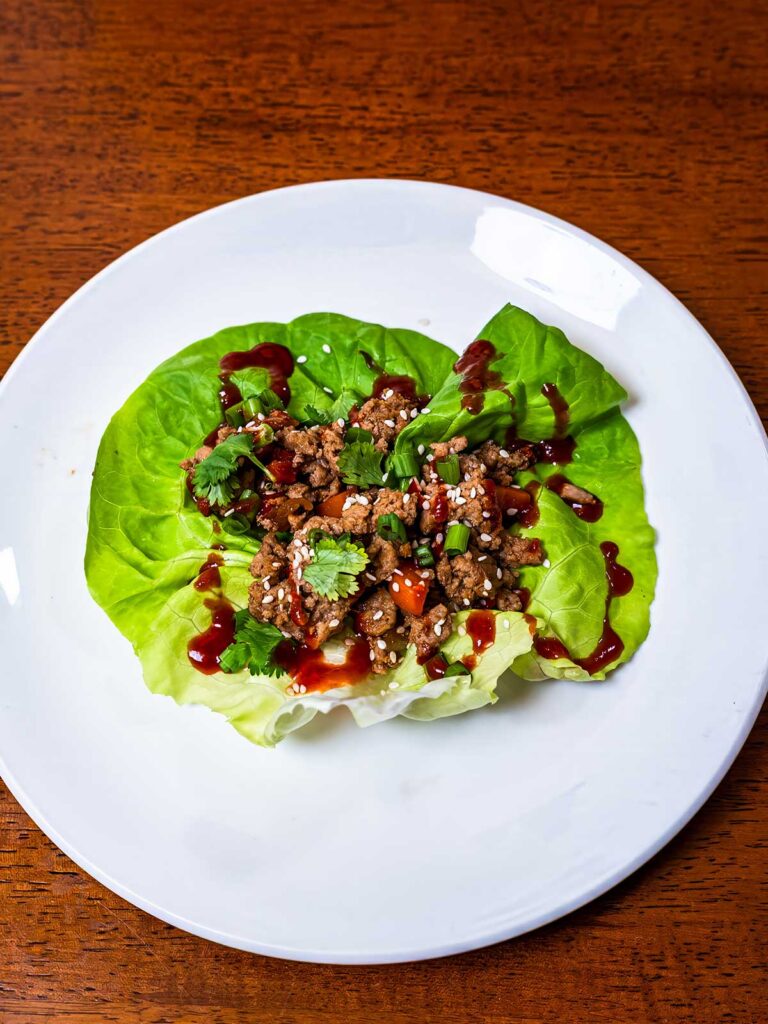
- Tofu swap. Replace chicken with pressed extra-firm tofu cubes baked at 375 degrees for 25 minutes. The seasoning rub and sauce work the same way. Protein drops to about 22 grams per serving but it’s still solid. If you want a lighter Asian bowl option, Asian Lettuce Wrap is a good swap too.
Tips and Tricks
-
Chicken Thickness
Butterfly the breasts to an even thickness before seasoning. If one end is thicker than the other, it dries out before the thin part cooks through. Aim for about half an inch everywhere so all five pieces finish at the same time.
-
Sauce Consistency
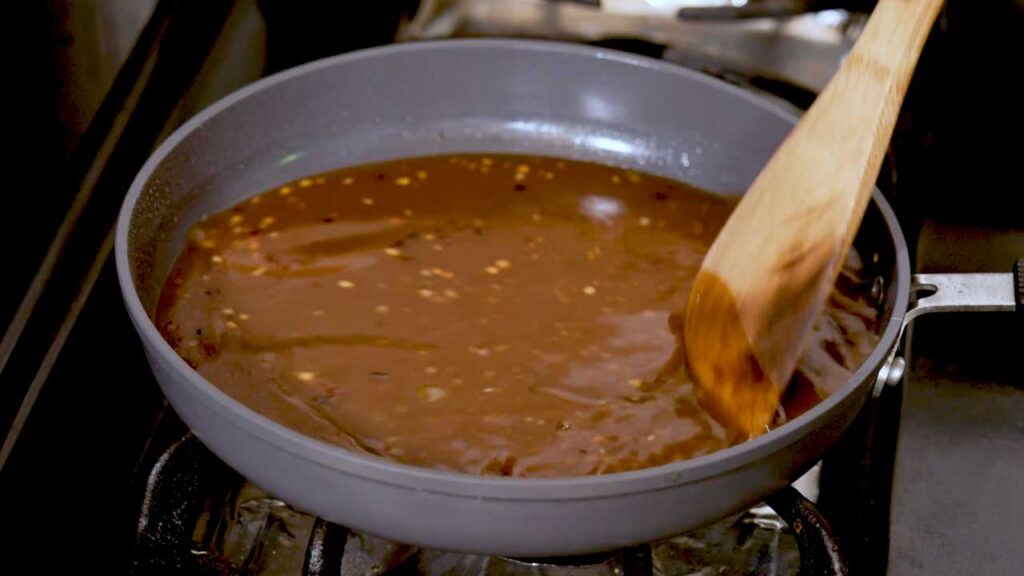
The sauce thickens more as it cools. Pull it off the heat when it looks slightly thinner than you want the final glaze to be. It will continue reducing on the chicken as it sits for a few minutes after baking. This same glazing technique works well on Almond Flour Parmesan Chicken Tenders too.
-
Allulose Behavior
Allulose browns faster than regular sugar, so keep an eye on the chicken during the last 2 minutes when it gets glazed. If the topping looks like it’s darkening too quickly, tent it loosely with foil.
-
Meal Prep Storage
Portion the chicken and sauce into containers with cauliflower rice and they stay good in the fridge for 4 days. The same storage approach works for Cottage Cheese Overnight Oats, just with a savory mix instead of sweet. Reheat at 50 percent power for 90 seconds so the glaze doesn’t burn off.
-
Internal Temperature
Pull the chicken at 162 degrees F instead of waiting for 165. The residual heat will carry it to 165 during the glazing step without overcooking. Dry chicken ruins a good teriyaki chicken recipe.
FAQs
-
Can I use regular sugar instead of allulose for the teriyaki sauce?
You can, but it changes the macros a lot. Regular sugar will give you a darker, more traditional caramel color and a slightly different flavor profile. Allulose keeps the carbs low and still caramelizes, which is why it works better for this version. If you’re not tracking macros, brown sugar or honey are the traditional choices and they taste closer to restaurant teriyaki.
-
How do I store leftover teriyaki sauce?
Keep it in an airtight container in the fridge for up to 5 days. It thickens as it cools, so thin it with a teaspoon of water when you want to reuse it. It works well as a teriyaki chicken marinade the next time you cook.
-
Is this recipe compatible with a whole30 or paleo diet?
Not as written because soy sauce contains wheat and allulose is a processed sweetener. Swap coconut aminos for the soy sauce and skip the allulose or use a paleo-approved sweetener like maple syrup. The recipe structure works, but the macros and diet compliance will shift.
-
Why does my teriyaki sauce stay thin after adding the cornstarch slurry?
The sauce needs to reach a simmer for the cornstarch to activate. Medium-low heat and stir constantly for about 60 to 90 seconds after adding the slurry. If it’s still thin after that, mix another half teaspoon of cornstarch with water and stir it in.
-
Can I make this in the Instant Pot instead of the oven?
It’s possible but you will not get the same glaze quality. Pressure cooking chicken breast tends to make it stringy, and the glaze does not caramelize the same way. If you have to use an Instant Pot, do a quick pressure cook for 8 minutes, release the pressure, then broil the chicken on a sheet pan with the glaze for 2 minutes.

Equipment Needed
Recipe

Healthy Sugar Free Teriyaki Chicken
Ingredients
Directions
- Preheat oven to 375°F.
- Trim fat from chicken breasts and butterfly them.
- Mix seasoning in a small bowl, then sprinkle evenly over both sides of each breast.
- Place chicken on a lined baking sheet (parchment or foil + a light spray of non-stick cooking spray).
- Bake for 30–35 minutes, or until internal temperature reaches 165°F.
- While the chicken bakes, mix all sauce ingredients except cornstarch and water in a small skillet over medium-low heat.
- Mix cornstarch with water, then stir into the sauce and cook until thickened, about 1–2 minutes. Remove from heat.
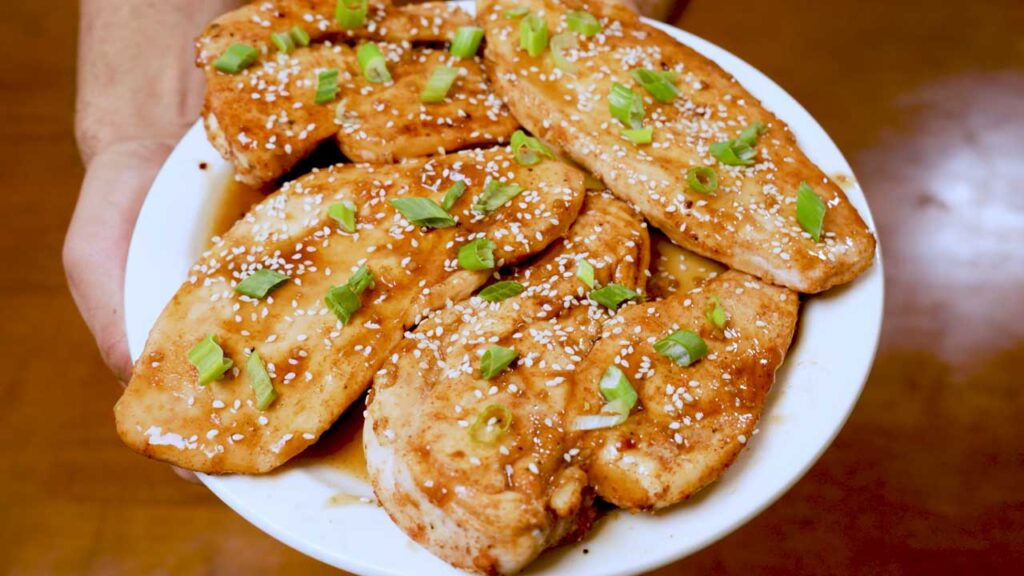
- Once chicken is done, brush the glaze generously over both sides.
- Return chicken to the oven for 2–3 minutes to let the glaze set and slightly caramelize.
- Garnish with sesame seeds and green onion. Optionally pair with cooked cauliflower rice and broccoli.