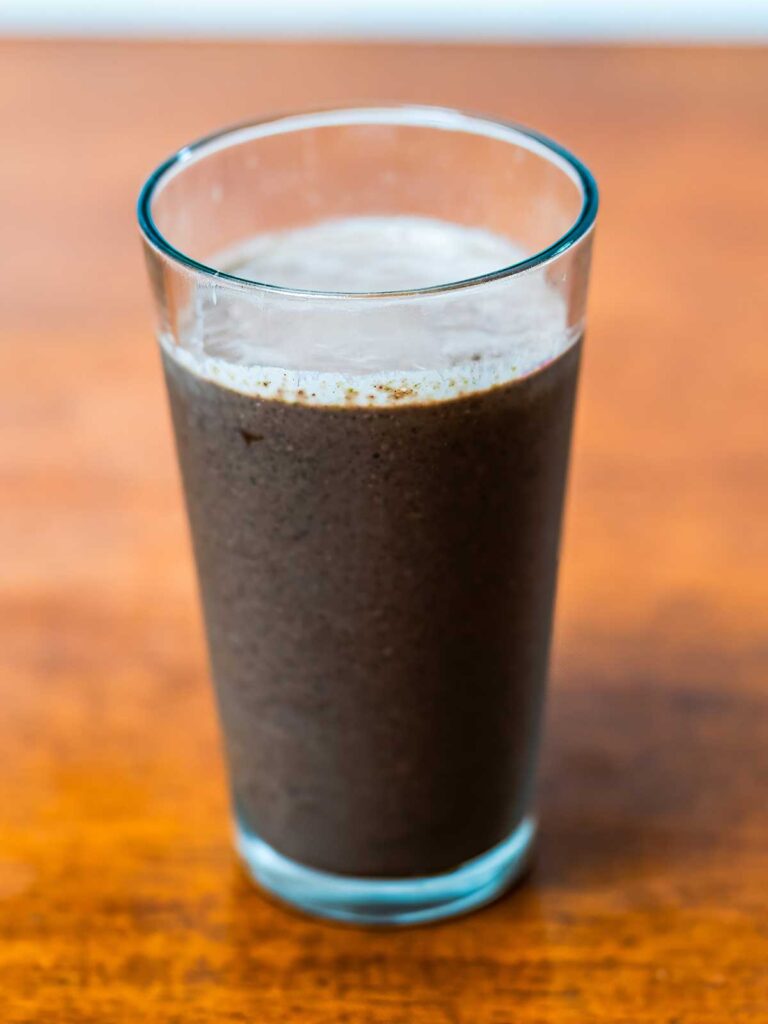
4 High Protein Smoothies
This post may contain affiliate links. If you purchase through my links, I may earn a small commission at no extra cost to you.
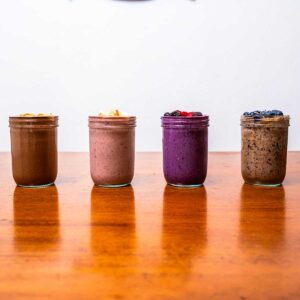
Each of these four high protein smoothies delivers between 33 and 43 grams of protein with ingredients you already have in your kitchen. They all follow the same simple blender method, so once you master the first one you can make any of them in under five minutes. Whether you need a quick breakfast before work or a post-workout refuel, there is a flavor here that will keep you full without feeling like you are on a diet.

What Makes This Actually Good
- Every smoothie packs between 33 and 43 grams of protein, which is rare for a breakfast you can throw together in under five minutes.
- All four recipes use the same basic method. Once you know how to blend one, you can make any of them without needing to read directions again.
- The ingredient lists overlap heavily. You will likely have most of everything on hand already, and the rest is cheap at any grocery store.
- Frozen fruit does the job of ice without watering down the flavor. You get a thick, milkshake-like texture from the start.
- Each smoothie is naturally gluten-free and built around simple ingredients you can actually pronounce.

Ingredients
- Unsweetened Vanilla Almond Milk. The base for all four smoothies. It adds a light vanilla flavor without overpowering the fruit, and keeps each drink lower in calories than dairy milk would.
- Chocolate Protein Powder. Used in the chocolate peanut butter banana smoothie. A darker cocoa powder will give you a more intense result.
- Vanilla Protein Powder. The workhorse flavor. Works in three of the four smoothies and plays nicely with any fruit you pair it with.
- Peanut Butter. Adds creaminess and contributes about 8 grams of protein per two-tablespoon serving to each smoothie it is in.
- Cocoa Powder. The chocolate peanut butter banana gets its deep flavor from this. Skip the instant coffee if you don’t have it, but a pinch of espresso powder does make the chocolate taste more intense.
- Frozen Strawberries. The strawberry banana smoothie’s main fruit. Frozen berries blend smoother than fresh ones since they are already soft from freezing. This technique works for every smoothie on this site, including the Pineapple Banana Smoothie which relies on frozen fruit for its thick texture.
- Banana, Frozen. The secret to a thick texture without ice. Peel and slice your banana before freezing it on a parchment-lined tray for easy grab-and-go portions.
- Frozen Mixed Berries. Raspberries, blueberries, and blackberries all in one bag. This mix gives the smoothie its deep color and packs 17 grams of fiber per serving.
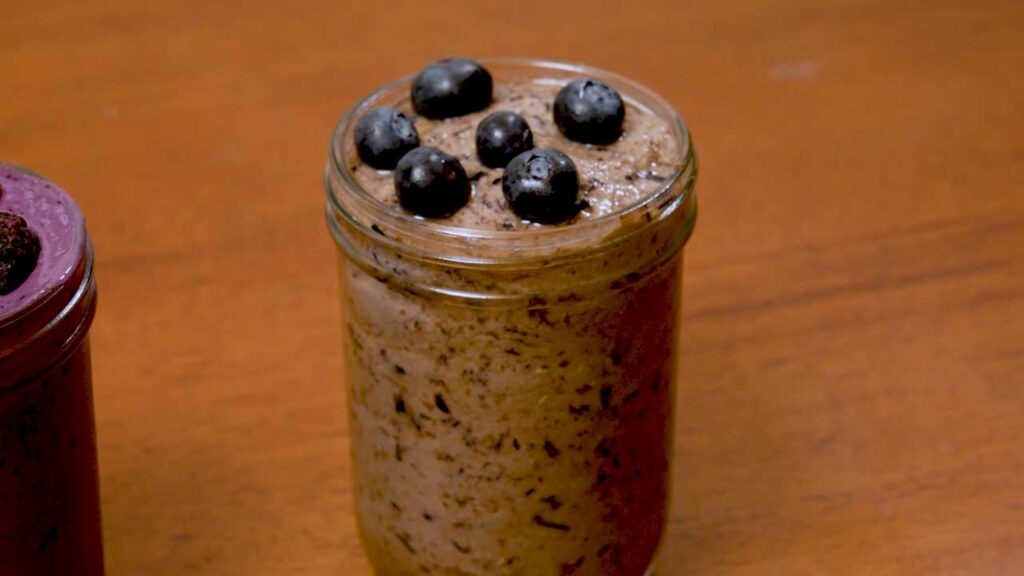
- Fresh or Frozen Blueberries. The blueberry vanilla works with either. Frozen will make it thicker, fresh will give you a lighter drink.
- Flaxseed or Hemp Seed. A tablespoon and a half of flax adds omega-3s and a subtle nutty flavor. Hemp seeds work just as well if you prefer a slightly greener profile.
- Chia Seeds. They swell up a bit when blended, which gives the mixed berry smoothie extra thickness. You will not notice them, I promise.
- Almond Butter. A swap for peanut butter in the mixed berry version. Slightly sweeter and pairs well with the darker berries.
- Vanilla Extract. The blueberry vanilla smoothie gets its extra depth from this. Use real extract, not imitation.
Why This One Earns a Spot in Your Rotation
- Four complete smoothie recipes in one post means you can rotate flavors all week without repeating yourself.
- Each one hits 33 to 43 grams of protein, so you are actually getting the macros you want without chasing numbers.
- The blender method is identical across all four. Dump everything in, blend until smooth, and you are done.
- They are filling enough to serve as a full breakfast, not just a quick snack between meals.
- All ingredients are available at any standard grocery store. No specialty health food run required.
- They work for post-workout recovery, busy mornings, or even as a dessert alternative when you want something sweet with protein. If you want to try a green smoothie version, the Spinach Acai Smoothie uses the same blender method with spinach and acai for an added nutrient boost.
- You can adjust the thickness by adding more or less almond milk. Each smoothie is customizable to your preferred consistency.

How to Round Out the Meal
- Whole grain toast with a thin layer of jam. These smoothies are filling on their own, but some people want something crunchy alongside it.
- A side salad with light vinaigrette. Makes the smoothie feel more like a complete lunch if you skipped breakfast.
- Granola or extra fresh fruit on the side. Adds texture and makes it feel more like a bowl-style breakfast.
- Hard-boiled eggs. Quick extra protein if you are trying to push past 50 grams for the meal.
Ways to Make This Yours
- Dairy-free swap. All four recipes are already dairy-free with almond milk, but you can switch to oat or soy milk if you prefer a creamier mouthfeel.
- No protein powder? You can still make these. Add a scoop of Greek yogurt or a quarter cup of cottage cheese for extra protein without changing the flavor much.
- Make it a shake. Use less liquid and add an extra frozen banana for a thicker, milkshake-like consistency that feels more like dessert.
- Mix and match. All four recipes share ingredients. Feel free to combine elements, like adding blueberries to the strawberry banana or tossing cocoa into the mixed berry. If you want to see how the Mixed Berry Protein Shake uses a very similar ingredient blend, it is worth trying that version next for a slightly different texture.
- Vegan version. Swap whey protein for a plant-based protein powder and you are good to go. All the other ingredients are already vegan-friendly.
Things Worth Knowing
-
Frozen Fruit
Always use frozen fruit if you want a thick smoothie. Fresh fruit with ice will water down the flavor and give you a thinner drink. -
Blender Power
A decent blender matters here. Frozen fruit takes more power than soft ingredients, and a weak blender will leave chunks you have to strain out. -
Adjust the Thickness
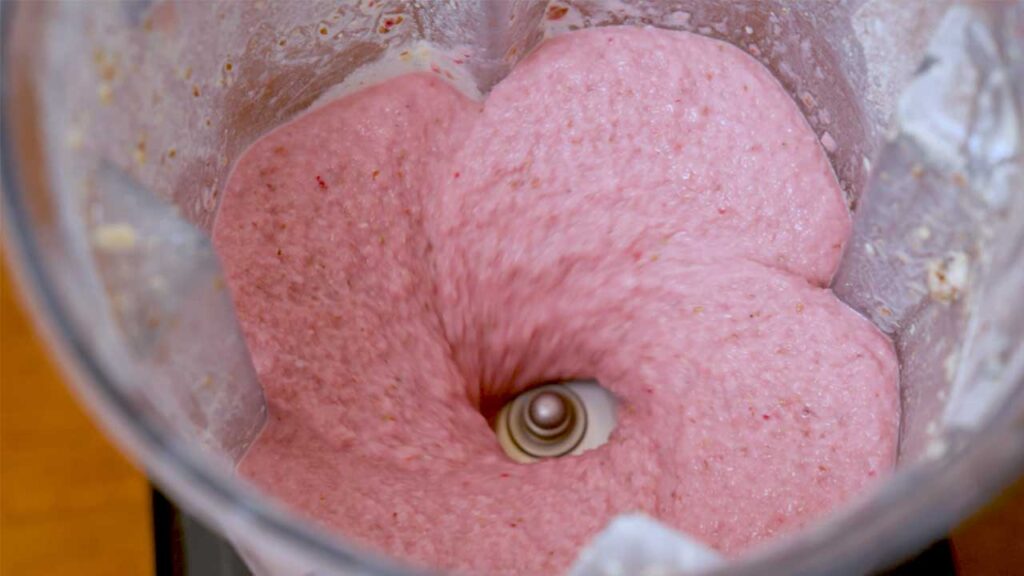
Start with less almond milk and add more after blending if needed. It is easier to thin a smoothie than to fix one that is too thick to pull up through the blade. -
Prep Ahead
Portion frozen fruit and banana into freezer bags the night before. In the morning you just dump the bag into the blender, add liquid and protein powder, and blend. -
Flaxseed vs Hemp Seed
Both work fine in the recipes that call for them. Flax has more fiber and omega-3s, hemp has a bit more protein. Pick whichever you have or prefer the taste of. You can also swap in an Apple Vanilla Protein Smoothie if you want to experiment with a different fruit base and still get the same thick texture from frozen ingredients.
FAQs
-
Can I use fresh fruit instead of frozen?
Yes, but the texture will be thinner since fresh fruit does not give you that icy thickness. If you only have fresh fruit, throw a handful of ice cubes into the blender with everything else. -
How much protein powder should I use per smoothie?
The recipes call for 1/3 cup, which typically gives you about 20 to 25 grams of protein depending on the brand. That puts each smoothie in the 33 to 43 gram range once you count protein from peanut butter, seeds, and almond milk. -
Are these smoothies good for post-workout?
Absolutely. A protein range of 33 to 43 grams right after training is ideal for muscle recovery. The fast-digesting whey protein and simple carbs from the fruit help replenish glycogen quickly. -
Can I meal prep these for the week?
You can prep the fruit portions in advance and store them in freezer bags. Blend each one fresh with your liquid and protein powder when you are ready to drink it. Smoothies do not store well once blended since they separate and lose texture. -
Do I really need protein powder for these?
You can make the smoothies without it, but you will lose most of the protein. A banana and some berries alone will give you maybe 4 grams. The Protein Piña Colada takes a similar fruit base but adds coconut flavoring to show how much more satisfying a smoothie becomes when you include protein powder. The protein powder is what makes these a proper high-protein meal instead of just fruit juice with fiber.

Equipment Needed
Recipe
4 High Protein Smoothies
Four high-protein smoothie recipes that each deliver 33 to 43 grams of protein using simple blender ingredients. Pick your favorite fruit or rotate them through the week for a quick, filling breakfast.
Ingredients
Directions
For All Smoothies
- Add all of your ingredients into a blender.
- Blend all of your ingredients until smooth.
- Pour into a glass cup and if desired, add the toppings of your choice.
- Serve.
Video
Notes
Store any leftover smoothie in an airtight container in the fridge for up to 2 days. Shake well or reblend before drinking, as natural separation is normal.
Nutrition Facts
Chocolate Peanut Butter Banana
Serving size: 1 drink
Amount of servings per recipe: 1
Calories: 630
Fat: 27 g
Saturated Fat: 7 g
Trans Fat: 0 g
Cholesterol: 45 mg
Sodium: 315 mg
Carbohydrates: 68 g
Fiber: 9 g
Sugars: 30 g
Protein: 43 g
*The numbers above are approximations. Actual calories and macronutrient amounts will vary depending on the ingredients used along with the serving size.
Strawberry Banana
Serving size: 1 drink
Amount of servings per recipe: 1
Calories: 500
Fat: 14 g
Saturated Fat: 3 g
Trans Fat: 0 g
Cholesterol: 40 mg
Sodium: 300 mg
Carbohydrates: 63 g
Fiber: 12 g
Sugars: 38 g
Protein: 39 g
*The numbers above are approximations. Actual calories and macronutrient amounts will vary depending on the ingredients used along with the serving size.
Mixed Berry
Serving size: 1 drink
Amount of servings per recipe: 1
Calories: 410
Fat: 16 g
Saturated Fat: 2 g
Trans Fat: 0 g
Cholesterol: 0 mg
Sodium: 320 mg
Carbohydrates: 41 g
Fiber: 17 g
Sugars: 23 g
Protein: 33 g
*The numbers above are approximations. Actual calories and macronutrient amounts will vary depending on the ingredients used along with the serving size.
Blueberry Vanilla
Serving size: 1 drink
Amount of servings per recipe: 1
Calories: 420
Fat: 14 g
Saturated Fat: 3 g
Trans Fat: 0 g
Cholesterol: 5 mg
Sodium: 540 mg
Carbohydrates: 52 g
Fiber: 11 g
Sugars: 29 g
Protein: 38 g
*The numbers above are approximations. Actual calories and macronutrient amounts will vary depending on the ingredients used along with the serving size.